Titanium Dioxide Demand Firms in Plastics
- Share
- From
- Richase Group Limited
- publisher
- Richase Marketing
- Issue Time
- Jun 18,2026
Summary
TiO2 demand firms as masterbatch producers rebuild inventories and converters lift run rates.

Titanium Dioxide Demand Firms in Plastics
Global demand for titanium dioxide in plastics applications is firming as converters rebuild inventories and masterbatch producers report fuller order books. Market participants across Europe, Asia and the Americas point to steady offtake from packaging, construction profiles and automotive compounds. After a period of destocking, the plastics chain is showing renewed appetite for pigment-grade material, and price negotiations are reflecting that tighter balance.
Why Plastics Consume So Much TiO2
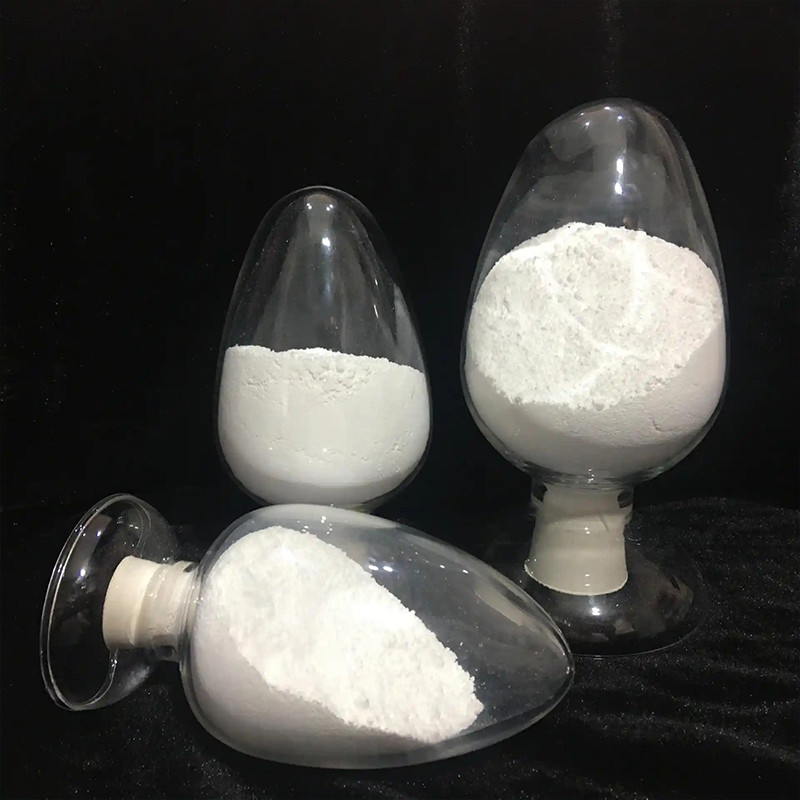
Plastics are the second-largest end market for titanium dioxide pigment after coatings, and the material is prized for its unmatched opacity, whiteness and UV protection. In polymers such as polyethylene, polypropylene, PVC and ABS, TiO2 delivers the brightness and hiding power that brand owners demand in packaging and consumer goods. As a plastics whitening pigment, masterbatch producers rely on high-purity grades to achieve consistent colour strength without processing issues.
Masterbatch Segment Leads the Recovery
The TiO2 masterbatch segment is leading the demand recovery, with white masterbatch producers increasing run rates as packaging and film orders recover. White masterbatch typically carries 40 to 60 percent pigment loading, which means even modest growth in film and rigid packaging converts directly into pigment demand. Producers in Asia, in particular, are expanding white masterbatch capacity to serve export markets, underpinning steady TiO2 offtake.
Supply Discipline Supports Prices
On the supply side, pigment producers have maintained output discipline after margin pressure in previous quarters. Several major plants have announced maintenance and efficiency programmes rather than aggressive capacity expansion, which keeps supply tight relative to recovering demand. Buyers report that allocation has become more common for popular grades, and lead times have extended for specialty rutile products used in demanding plastics applications.
Cost Pressures Reshape the Cost Curve
Rising energy and feedstock costs, particularly for titanium slag and chloride-process raw materials, are reshaping the global cost curve. Producers with integrated ore supply and efficient chloride plants hold a structural advantage, while marginal sulphate-process capacity faces pressure. This cost environment supports firmer pigment pricing and encourages buyers to secure supply from efficient, reliable origins rather than chasing spot bargains.
Rutile Grade Dominates Plastics Specification
Most plastics applications specify rutile-grade TiO2 for plastics because of its superior opacity, weather resistance and dispersion behaviour compared with anatase grades. Surface-treated rutile pigments offer better dispersion in polyolefins and reduced yellowing under UV exposure. Buyers evaluating pigments should confirm particle size, surface treatment and dispersion performance in their specific resin system before qualifying a new source.
Quality Parameters That Matter
For plastics compounding, the key quality parameters are titanium dioxide content, brightness, tinting strength, particle size distribution, surface treatment and impurity levels such as iron and alumina. A certificate of analysis per lot, consistent batch-to-batch colour performance and reliable dispersion in the target polymer are essential. High purity grades with tight specification control command premiums because they reduce rejects and rework in masterbatch production.
Regional Demand Outlook
Demand growth is strongest in Asia, where packaging and construction sectors continue to expand, followed by steady recovery in North America and Europe. Sustainability pressure is also shaping specifications, with lightweighting and recycled-content programmes driving demand for pigments that perform well in post-consumer resin systems. High purity TiO2 grades that tolerate recycled feedstocks are gaining traction with forward-thinking converters.
Richase Supply Perspective
Richase Group Limited supplies high purity titanium dioxide suited to plastics and masterbatch applications, with consistent quality, full documentation and dependable export logistics. Our team helps compounders and masterbatch producers match pigment grade to resin system and application. If you are reviewing your white pigment sourcing, we can support you with samples, specification comparison and volume planning from a reliable origin.
What to Watch Next
Monitor three signals in coming quarters: European and North American plant utilisation, Chinese export volumes and the pace of masterbatch capacity expansion in Asia. Any imbalance in these factors will move pigment prices quickly. Buyers who build resilient supply chains with qualified secondary sources will manage the next phase of the titanium dioxide pigment cycle with confidence.