Feed Phosphate Demand Rises with Livestock
- Share
- From
- Richase Group Limited
- publisher
- Richase Marketing
- Issue Time
- Aug 5,2026
Summary
Feed phosphate demand rises with livestock expansion, led by Dicalcium Phosphate use.

Demand for feed phosphate is climbing in step with expanding livestock and poultry production, particularly across Africa, Latin America, and South Asia. As integrators scale up and smallholder herds intensify, the need for bioavailable mineral phosphorus is rising, and Dicalcium Phosphate remains the preferred DCP feed source supplying both calcium and digestible phosphorus in one product.
Why Feed Phosphate Demand Rises
Growth in meat, milk, and egg output directly drives feed phosphate consumption, because animals need available phosphorus for bone and metabolism that plant-based diets cannot supply. As animal feed volumes rise with livestock expansion, so does the requirement for a consistent, digestible mineral source. That structural link makes feed phosphate a reliable growth segment.
Dicalcium Phosphate Leads the Mix
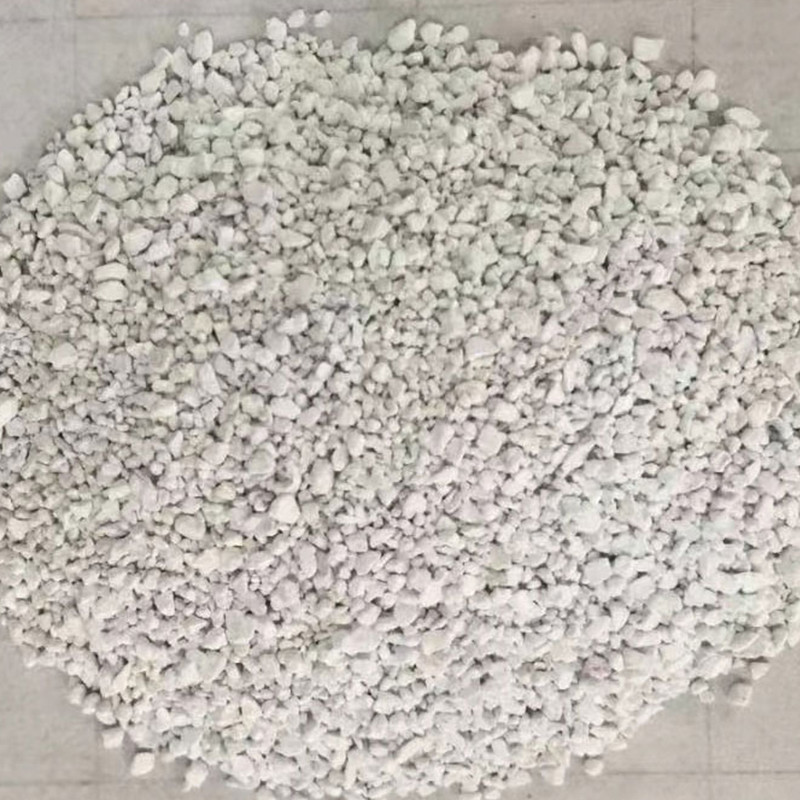
Dicalcium Phosphate dominates because it delivers known, consistent calcium and phosphorus in a highly digestible form suited to swine and poultry. As a DCP feed input, it lets formulators hit the critical calcium-to-phosphorus ratio precisely, protecting bone development and feed conversion. Its predictability is why mills standardize on it rather than variable alternatives.
Animal Feed Intensification
The shift from extensive to intensive animal feed systems concentrates demand for fortified minerals. Confined and high-performance rations leave no room for marginal phosphorus deficiency, so mills specify feed-grade DCP in standing programs. This professionalization is lifting both volume and quality expectations across the segment.
Livestock Nutrition and Bone Health
Good livestock nutrition depends on available phosphorus for skeletal growth, energy metabolism, and production. Deficiency shows as lameness and poor gain, while excess is wasted and excreted. Because DCP phosphorus is highly available, formulators meet requirements with less total mineral, improving conversion and reducing environmental load.
Phosphorus Feed Efficiency
A phosphorus feed source's value lies in digestibility, not just assay. DCP's high availability means lower inclusion and lower manure phosphorus versus less available minerals, which matters as nutrient-management rules tighten. That efficiency argument is increasingly central to procurement decisions at larger integrators.
Regional Demand Hotspots
Asia leads on poultry and swine scale, Latin America on integrated pork and poultry, and Africa on rapidly growing broiler and dairy segments. In each, the trigger is the same: more animals, better rations, and rising standards for feed safety and performance that require reliable mineral supply.
Quality and Documentation Trends
As volumes grow, buyers scrutinize fluorine, heavy metals, and contaminant limits more strictly, since mineral supplements concentrate impurities. A reputable DCP feed supplier provides batch certificates and feed-grade declarations, protecting customers' feed-safety claims to auditors and regulators.
Supply and Sourcing Shifts
Feed phosphate supply hinges on phosphoric acid and mineral feedstock, so origin and process affect purity and lead time. Importers are diversifying sources and booking earlier to avoid seasonal tightness, treating logistics reliability as a primary selection criterion alongside price and assay.
Outlook
With livestock expansion continuing, feed phosphate demand should keep rising through the coming seasons. The segment will favor suppliers offering consistent, documented, low-contaminant DCP with dependable delivery, as mills professionalize their mineral procurement.
Conclusion
The rise in feed phosphate demand tracks the global intensification of livestock nutrition, and Dicalcium Phosphate remains the dependable backbone of that growth. Suppliers with documented quality and reliable logistics are best placed to serve expanding feed markets.