The application of choline chloride in the feed industry BY:Lina
- Share
- publisher
- 、Saskia
- Issue Time
- Mar 4,2026
Summary
The application of choline chloride in the feed industry is very extensive, with over 90% of choline chloride being used as a feed additive.
The application of choline chloride in the feed industry
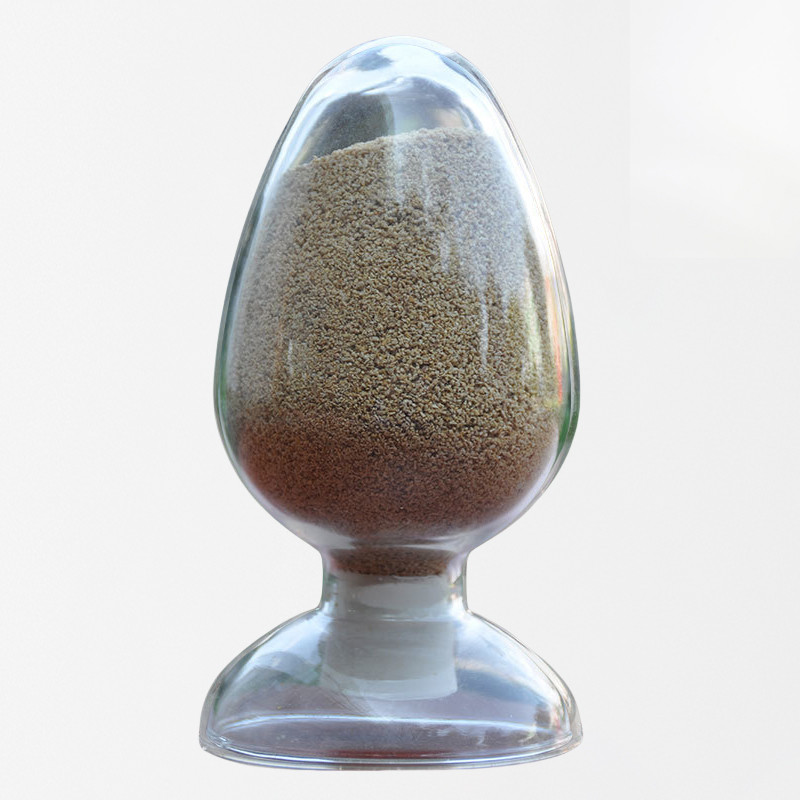
The application of choline chloride in the feed industry is very extensive, with over 90% of choline chloride being used as a feed additive. It belongs to the B vitamin group and is an essential nutrient for animal growth. Specifically, its main functions are as follows:
💡 Core Physiological Function: Preventing Fatty Liver, Ensuring Health
The most core function of choline chloride is to regulate fat metabolism. It promotes the transport of fat from the liver in the form of lecithin, preventing excessive fat accumulation in the liver, thus effectively preventing the common "fatty liver" in livestock and poultry. In addition, it is a necessary component for the synthesis of acetylcholine, which is crucial for the normal transmission of nerve impulses.
🐔 Application in Poultry Feed: Increasing Egg Production, Strengthening Bones
For laying hens and broilers, adding choline chloride can stimulate the ovaries to produce more eggs and increase egg weight. Meanwhile, as an important component of cell membranes, it effectively prevents the occurrence of perosis in poultry, ensuring bone health.
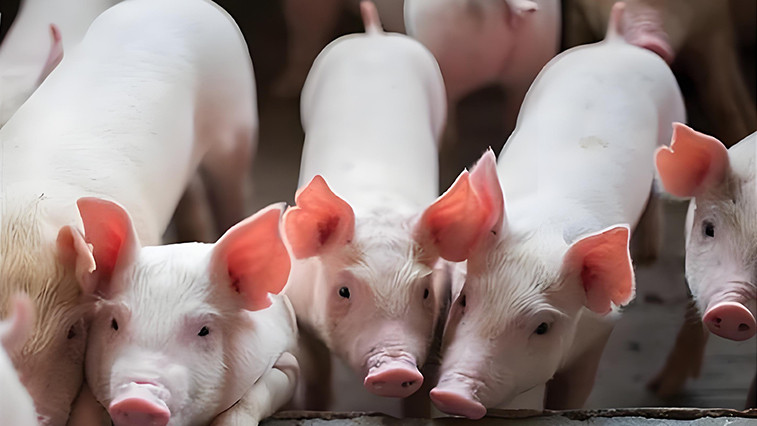
🐖 Application in Swine Feed: Accelerating Growth, Optimizing Meat Quality
Added to the diets of piglets and finishing pigs, it promotes the absorption and synthesis of amino acids, thereby improving the utilization rate of protein and accelerating growth. It also enhances the constitution and disease resistance of livestock and poultry, ensuring healthy growth.
🐟 Application in Aquatic Feed: Accelerating Weight Gain, Reducing Belly Fat
For fish such as grass carp and largemouth bass, an appropriate amount of choline chloride can significantly increase the weight gain rate and specific growth rate, while reducing the feed conversion ratio. More importantly, it can reduce the fat content in the hepatopancreas, muscles, and whole body of fish, decreasing the occurrence of diseases like "white liver" and improving the quality of the fish meat.
🐄 Application in Ruminant Feed: Special Technology for Efficacy
Since ordinary choline chloride is largely degraded by microorganisms upon entering the rumen, when used for ruminants such as cattle and sheep, it usually needs to be processed using encapsulation technology. This rumen-protected choline can safely reach the intestine for absorption and is very important for increasing milk production in dairy cows and preventing fatty liver during the periparturient period.
It is important to note that: Choline chloride is highly hygroscopic and has a destructive effect on other vitamins (such as vitamins A, D, and K). Therefore, in feed production, it is usually not directly added to vitamin premixes, but is added in the final step of producing the complete feed.
[Platform release disclaimer]
This platform part of the article picture source or adapted from the Internet, the main purpose is to share information, so that more people get the information they need, the copyright belongs to the original author, such as infringement of your rights and interests or copyrights, please let us know in time, we will be deleted within 24 hours!