Tea Saponin for Sustainable Aquaculture Development BY:Lina
- Share
- publisher
- 、Saskia
- Issue Time
- Dec 9,2025
Summary
Choline chloride significantly improves shrimp larvae survival rate, hepatopancreatic status, and water quality stability in shrimp farming.

Choline Chloride in Shrimp Farming Strategy
With the rise of high-density intensive shrimp farming, ensuring shrimp health and stable growth within limited space has become a focus of the industry. Choline chloride, as a core nutritional additive, plays a crucial role, demonstrating clear value in improving early-stage shrimp larvae nutrition, body development, and liver metabolism. Its involvement in fat metabolism effectively reduces hepatopancreatic oil degeneration and fat accumulation, allowing shrimp to maintain better metabolic efficiency in the early stages of growth, thereby improving overall farming performance.
The hepatopancreas is considered the metabolic "command center" of shrimp, therefore its health directly determines feed utilization, stress resistance, and immune levels. Choline chloride promotes lipid transport and protein synthesis, helping to accelerate tissue repair and maintain the stability of hepatopancreatic tissue structure. More and more shrimp farms are adding appropriate amounts of choline chloride to early-stage larval feed, significantly improving shrimp larvae's body color, feeding, and metabolic activity, laying the foundation for rapid growth later on, and simultaneously increasing larval survival rates.
The use of choline chloride also provides effective immune enhancement for shrimp. By improving cell membrane stability and methyl metabolism balance, it can enhance the body's ability to cope with pathogens and improve stress resistance, especially in environments with large fluctuations in temperature and salinity. Many studies have shown that choline chloride can improve shrimp's stress resistance, reduce common problems such as white feces and empty stomachs, and effectively reduce the risk of disease outbreaks, making the farming process more controllable.
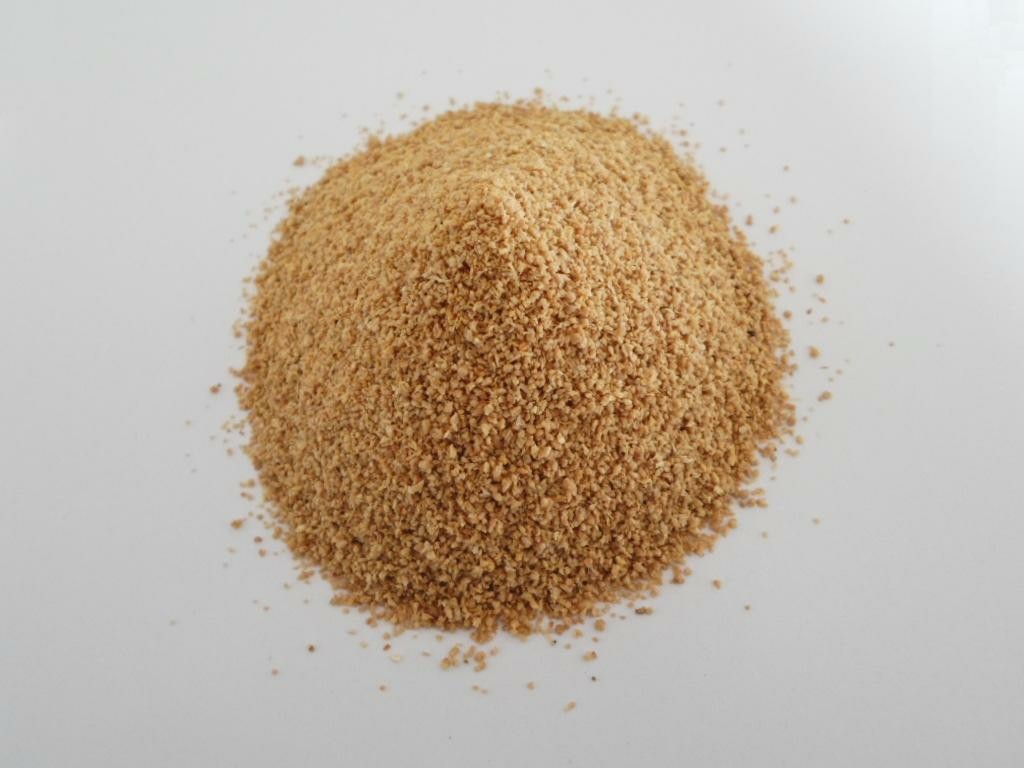
At the pond management level, the addition of choline chloride also plays a positive role in improving pond water quality. Its ability to improve feed utilization reduces the oil content in excrement and uneaten feed, making it easier for water bodies to maintain transparency and dissolved oxygen stability, and reducing the accumulation of ammonia nitrogen and nitrite. Combined with efficient water quality management programs, choline chloride can help farmers better maintain the ecological balance of aquatic bodies, further improving overall production performance and providing a reliable solution for achieving a healthy, high-yield, and sustainable shrimp farming model.
As shrimp farming grows quickly around the world, Tea Saponin has become a key tool—it helps get high productivity while protecting the environment in the long run. It’s useful in pond preparation, water cleaning, and natural purification. So whether it's a small family farm or a big industrial one, Tea Saponin is really valuable. More and more people now care about sustainability, and Tea Saponin shows it’s a natural, efficient, and eco-friendly additive.
Richase provides comprehensive solutions for modern livestock production, including high-quality feed additives and technical support. Our products undergo rigorous quality testing to ensure safety and efficacy, helping farmers develop optimal animal nutrition strategies that improve productivity, enhance livestock health management, and maximize operational profitability.
For more information about our products, please feel free to contact our sales team
[Platform release disclaimer]
This platform part of the article picture source or adapted from the Internet, the main purpose is to share information, so that more people get the information they need, the copyright belongs to the original author, such as infringement of your rights and interests or copyrights, please let us know in time, we will be deleted within 24 hours!