Sodium Metasilicate in Detergents: Buyer Guide
- Share
- publisher
- Richase Marketing
- Issue Time
- Feb 19,2026
Summary
How sodium metasilicate pentahydrate works as a phosphate-free detergent builder.

Why Sodium Metasilicate Matters in Cleaning
Industrial formulators choose sodium metasilicate when they need a builder that combines high alkalinity with controlled silicate chemistry. Unlike simple soda ash, metasilicate buffers pH in the strongly alkaline range while delivering dissolved silica that protects metal surfaces against corrosion. That dual action is why it appears in everything from bottle-washing compounds to heavy-duty floor cleaners and CIP systems used in food plants.
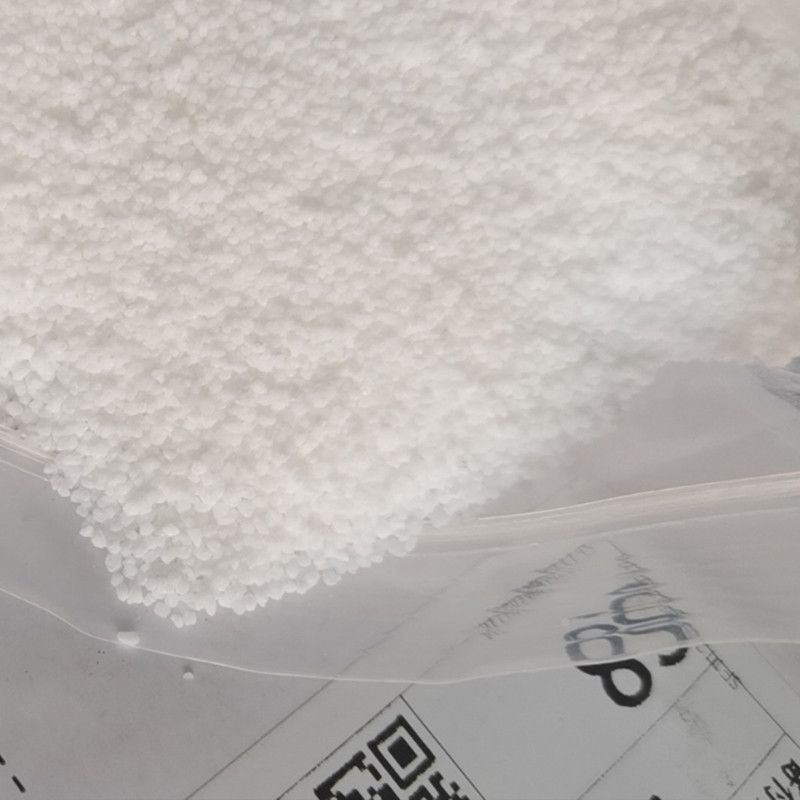
How Sodium Metasilicate Works as a Detergent Builder
A detergent builder performs several jobs at once. It softens hard water, maintains alkalinity as soil is neutralized, and helps surfactants do their work more efficiently. Sodium metasilicate excels at all three. Its alkaline hydrolysis breaks down fats, proteins and starches, while the silicate fraction keeps removed soil suspended so it rinses away instead of redepositing on surfaces. Formulators describe this as a forgiving builder profile that stabilizes performance across water hardness levels.
Sodium Metasilicate Pentahydrate vs Anhydrous Forms
Buyers usually choose between sodium metasilicate pentahydrate and the anhydrous form. The pentahydrate contains chemically bound water, which makes it safer to handle, easier to dissolve in ambient-temperature water, and more predictable in dosing. Anhydrous grades deliver higher active content per kilogram but require careful dissolution control to avoid localized overheating. For most industrial cleaning chemicals production, the pentahydrate is the workhorse because it dissolves readily and blends evenly with other powders.
Phosphate-Free Formulations and Regulation
Phosphate restrictions in detergents and cleaners have reshaped the market over the past decade. Regions in North America, Europe and parts of Asia limit phosphorus in household and institutional cleaning products to protect waterways. Sodium metasilicate is a proven phosphate alternative: it delivers the alkalinity and soil suspension builders need without contributing phosphorus to wastewater. This regulatory tailwind keeps demand firm for phosphate free detergent systems that rely on silicate and carbonate builders.
Alkaline Cleaning Agent Performance in CIP Systems
Clean-in-place systems in dairies, breweries and beverage plants depend on strongly alkaline cleaners to remove protein films and scale. Sodium metasilicate is a core component of these formulations, providing the caustic reserve that sustains cleaning power as soil load rises. Its silicate content also protects stainless steel tanks and piping from aggressive alkalinity, extending equipment life. Plant managers value this combination because it reduces both chemical consumption and maintenance downtime.
Industrial Cleaning Chemicals: Key Applications
Beyond food and beverage, sodium metasilicate appears across the industrial cleaning chemicals spectrum. Vehicle wash compounds use it to lift road film and grease. Laundry and textile processors rely on it for heavy-duty detergents. Metal degreasers and parts washers benefit from its corrosion-inhibiting silica. Pressure-washing concentrates and floor maintenance products round out the application map. In each case, the builder's alkalinity and silicate synergy deliver measurable performance advantages.
Choosing a Supplier: Quality Parameters
Not all sodium metasilicate is equal. Serious buyers verify assay and sodium oxide to silica ratio, chloride and heavy-metal content, sieve analysis, whiteness, and bulk density. A certificate of analysis for every lot is now standard procurement practice. Consistency matters most: if alkalinity drifts between lots, finished detergent formulations lose their quality edge and may fail customer specifications. Suppliers with documented process control and stable raw-material sources protect formulators from these risks.
Handling, Storage and Safety
Sodium metasilicate is alkaline and hygroscopic. It should be stored in sealed, moisture-proof packaging in a dry warehouse, away from acids and reactive metals. Workers handling the powder need dust control, eye protection and gloves, because the alkaline dust can irritate skin and eyes. Dissolving the material generates heat, so operators add it to water slowly with agitation. A clear safety data sheet and proper labeling are non-negotiable for procurement teams.
Buying Checklist for Bulk Orders
When sourcing in volume, confirm the exact grade and mesh size you need, request current certificates of analysis, and agree on packaging that suits your line, whether 25 kg bags, 1 MT jumbo bags or custom packing. Verify the supplier's export documentation, lead times and minimum order quantities. Trial a sample batch in your actual formulation before committing to a full container, and check batch-to-batch consistency over consecutive lots before locking in a long-term contract.
Richase Supply Advantage
Richase Group Limited supplies sodium metasilicate pentahydrate with consistent assay, tight chloride control and dependable export logistics from China. Our team supports formulators with grade selection, sample programs and packaging options tailored to production lines. Whether you are building a new phosphate free detergent line or optimizing an existing alkaline cleaning agent, we help you qualify the right product quickly and keep your supply chain stable.