Potassium Nitrate for Crops: Fertilizer Guide
- Share
- publisher
- Richase Marketing
- Issue Time
- Sep 9,2026
Summary
How potassium nitrate boosts fruit and flower yield with fast N and K uptake.
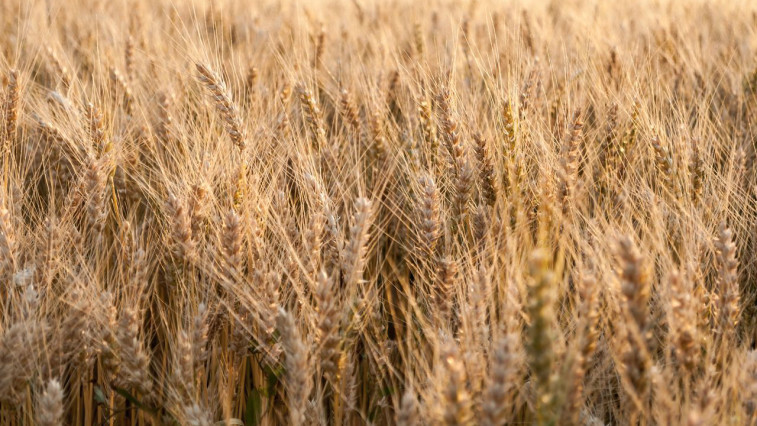
Why Potassium Nitrate Matters for Modern Crops
High-value fruit, vegetable and flower production depends on a steady supply of both nitrogen and potassium at the right moment in the growth cycle. Potassium nitrate for crops delivers these two macronutrients in a single, highly soluble source that plants take up quickly. Unlike ammonium-based fertilizers, it supplies nitrate nitrogen, which is the preferred form for most crops and avoids the acidifying effect that can lock up soil nutrients over time. For growers targeting premium quality and yield, a well-managed potassium nitrate fertilizer program is often the difference between average and market-leading produce.
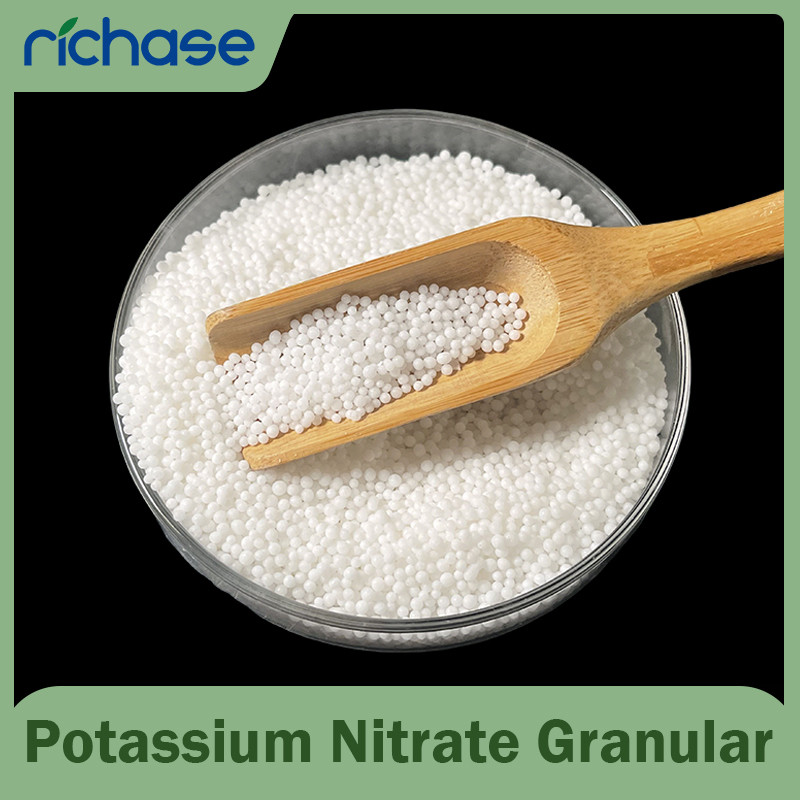
What Makes Potassium Nitrate Different
Potassium nitrate, sometimes called saltpetre, contains about 13% nitrogen (all nitrate) and 38% potassium oxide. Because it carries no chloride, ammonium or sulphur, it is a clean fit for chloride-sensitive crops such as strawberries, potatoes, citrus and grapes. A typical n-p-k fertilizer blend supplies several nutrients at once, but when a crop needs a targeted late-season potassium boost without extra nitrogen, potassium nitrate is the precise tool. Its low salt index also reduces the risk of root burn in sensitive fertigation systems.
Fast Nitrogen and Potassium in One Source
The nitrate form of nitrogen is immediately available, so leaf and fruit response is rapid after application. At the same time, potassium drives sugar transport, water regulation and disease resistance. A balanced nitrate fertilizer strategy using potassium nitrate helps fruits size evenly, colour properly and store longer after harvest. This combination is why greenhouse and open-field high-value producers keep it in their standard nutrition plan rather than treating it as a specialty input.
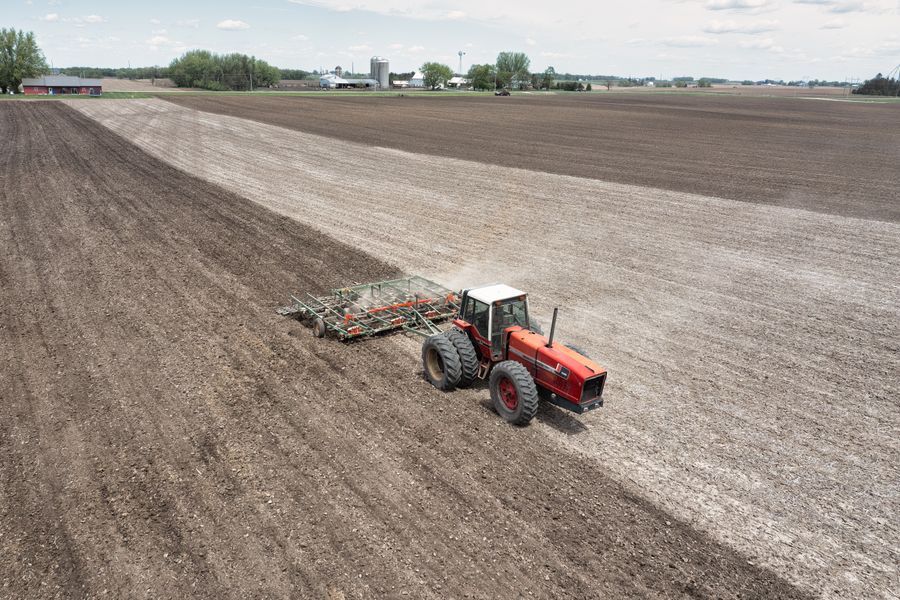
Best Crops for Potassium Nitrate
Fruiting vegetables such as tomato, pepper and cucumber respond strongly, especially under greenhouse conditions where chloride must be avoided. Tree crops including citrus, avocado and mango benefit during fruit fill, while flowers and ornamental crops show improved stem strength and colour. Good fruit crop nutrition is rarely about a single element; potassium nitrate supports the potassium window that many bloom-and-fruit stages demand without disturbing the nitrogen balance built earlier in the season.
Application Methods and Timing
Potassium nitrate is most effective when applied close to the period of peak demand. Side-dressing, foliar spray and fertigation are all common, with fertigation allowing the tightest control over concentration and frequency. Because the material is fully water-soluble, it moves uniformly through drip and sprinkler systems. Growers using solid broadcast methods should still irrigate soon after to move the nutrient into the root zone where potassium nitrate for crops can be absorbed efficiently.
Potassium Nitrate in Fertigation and Hydroponics
In soilless and hydroponic systems, potassium nitrate is a backbone ingredient of stock nutrient solutions. Its clean dissolution and chloride-free profile protect sensitive root environments and keep electrical conductivity predictable. Many commercial recipes pair it with calcium nitrate and monopotassium phosphate to hit target ratios. For open-field potassium nitrate fertilizer users, the same logic applies: precise, frequent, low-dose delivery outperforms a single heavy application.

Quality and Purity Considerations
Not all potassium nitrate is equal. Agricultural grade should be free of excessive heavy metals, consistent in assay and low in insoluble matter that can clog emitters. For export and regulated markets, a documented potassium nitrate 99.7 specification gives buyers confidence in solubility and crop safety. Always request a certificate of analysis, confirm the absence of chloride and check that the granule or prill size matches your application equipment before committing to a full shipment.
Sourcing and Storage
Potassium nitrate is stable under normal storage but should be kept dry and away from combustible materials, as it is an oxidiser. Bags should be palletised off the floor and protected from moisture to prevent caking. When sourcing, choose a supplier that can provide steady volume, consistent assay and export documentation. A reliable nitrate fertilizer partner also helps you plan around seasonal price swings and shipping lead times in peak planting windows.
Richase Supply Support
Richase Group Limited supplies high-purity potassium nitrate 99.7 granular material suited to fertigation, foliar and hydroponic programs. We provide certificates of analysis, packaging options for export and technical guidance on blend compatibility. Our team supports distributors and large farms across Africa, Latin America, Europe and Southeast Asia with dependable logistics and documentation for agricultural inputs.
Buyer Checklist
Before ordering, confirm the assay, chloride content and granule size for your system, request a recent certificate of analysis, and agree on packaging that resists moisture during transit. Trial the material in a small block to verify solubility and crop response, then scale up. With the right specification and a trusted supply of potassium nitrate fertilizer, growers can lift fruit quality, uniformity and shelf life while keeping nitrogen and potassium in precise balance.