Plant Amino Acid Fertilizer Guide
- Share
- publisher
- Richase Marketing
- Issue Time
- Mar 25,2026
Summary
Richase Plant Amino Acid supplies ready nutrients that cut plant stress and lift crop nutrition.
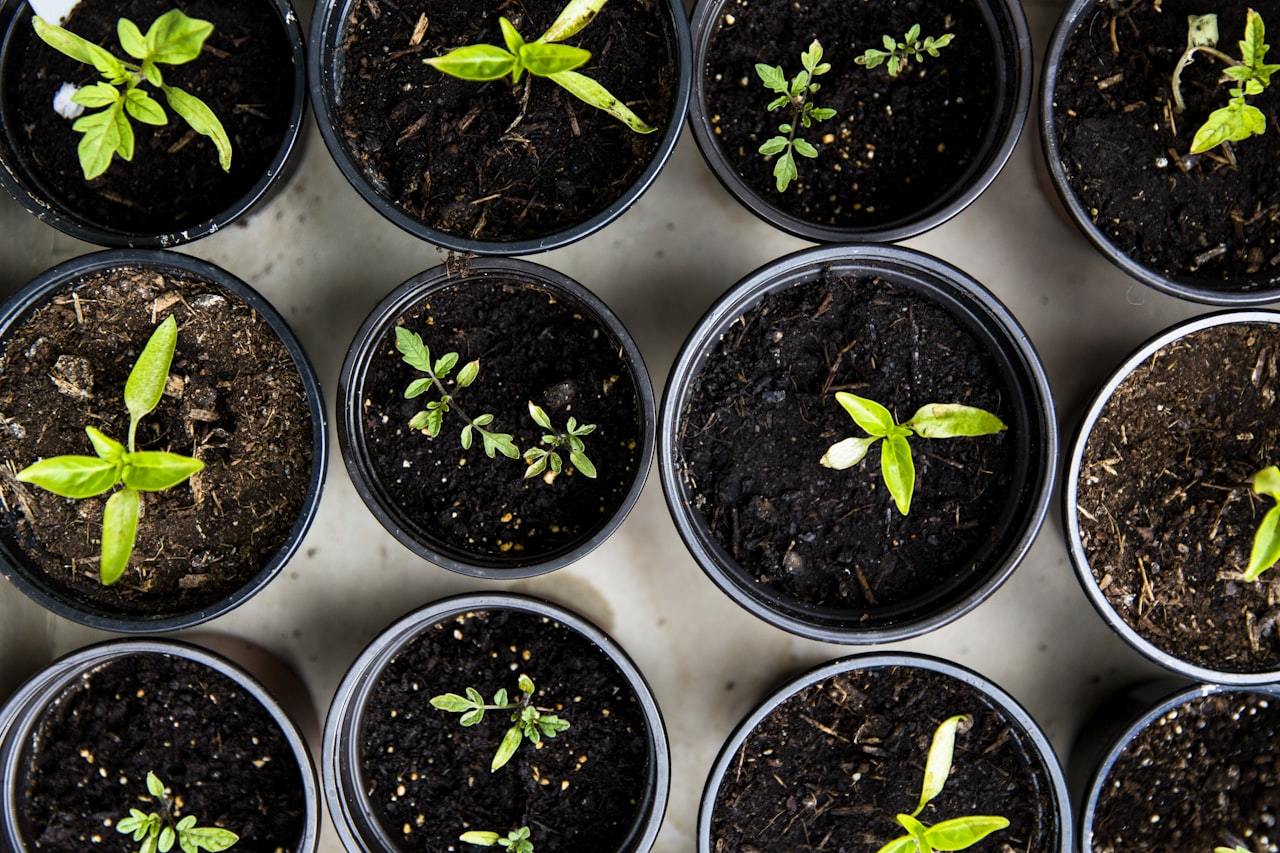
When crops face heat, drought, or transplant shock, the fastest way to help them recover is to supply the building blocks they normally have to synthesize themselves. Plant Amino Acid fertilizers deliver those building blocks directly, supporting metabolism and reducing the energy a stressed plant must spend on repair. This buyer guide explains what amino-acid fertilizer does, where it fits, and how to specify a grade that performs in foliar and fertigation programs.
What Plant Amino Acid Fertilizer Does
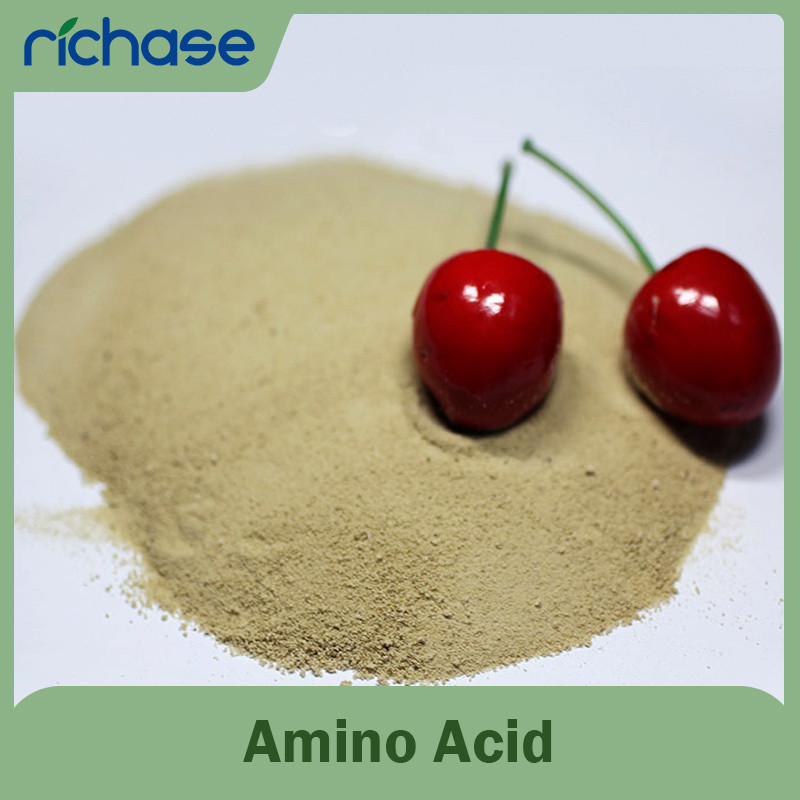
A Plant Amino Acid product supplies free amino acids, the precursors plants use to build proteins, enzymes, and chlorophyll. Applied to leaves or roots, they are absorbed quickly and used immediately for recovery and growth. Unlike bulk nitrogen, an amino acid fertilizer does not require soil conversion, so it works even when root function is compromised by stress.
Amino Acid Fertilizer and Biostimulant Action
As a biostimulant, amino acid fertilizer primes the plant's own defenses and repair pathways rather than feeding pests or weeds. Proline and glutamic acid in particular help stabilize cell membranes and osmotic balance under drought. The practical result growers report is faster green-up after shock and more uniform recovery across the canopy.
Foliar Fertilizer Application
A foliar fertilizer route is ideal for amino acids because leaf tissue absorbs them within hours. Apply at fruit set, before heat or cold windows, and after hail, flooding, or transplant. Because amino-acid liquids are low in salt, they rarely burn, and they mix well with most micronutrient and protection products in the tank.
Crop Nutrition Efficiency
Good crop nutrition is about uptake, not just application. Amino acids chelate and transport micronutrients such as iron, zinc, and manganese already in the soil, improving their movement into the plant. In field work, combining amino acids with a standard program often allows a modest cut in conventional fertilizer without loss of yield, lowering both cost and environmental load.
Managing Plant Stress
Plant stress from weather, salinity, or mechanical damage interrupts normal metabolism. Supplying amino acids externally reduces the metabolic cost of repair, so the plant returns to growth faster. This is why amino-acid programs are most valuable in high-value horticulture and in regions with recurring climate extremes, where a few days of recovered growth protect a large share of crop value.
Best Crops and Timing
Vineyards, citrus, tomatoes, peppers, rice nurseries, and ornamentals are the leading users. Timing follows the stress calendar: pre-flowering, fruit set, pre-heat, and post-shock are the high-return windows. A standing low-rate program through the season can also smooth growth in variable weather.
Choosing the Right Profile
Specify total free amino acid content and the dominant individual acids, since not all profiles are equal. Check solubility, pH, heavy-metal limits, and odor. A clean, low-viscosity liquid resists clogging in drone and boom sprayers and stores without separating, protecting your application accuracy.
Liquid Versus Powder
Liquids are easiest for foliar and fertigation and need no dissolution step. Powders are cheaper to freight and easier to store in hot climates but require complete dissolution before use. Choose based on your equipment and climate; either form performs if the amino-acid profile and purity are right.
Sourcing and Documentation
Ask about the raw-material source, hydrolysis or fermentation, and a full certificate of analysis. A supplier providing SGS or equivalent verification and consistent batches protects your program from off-spec product that underperforms. Reliable lead time matters because amino-acid demand spikes around stress windows.
Storage and Handling
Keep liquid amino acids out of direct sun and extreme heat, and store powders in a dry area below 60 percent relative humidity. Reseal containers after use to prevent contamination or moisture pickup. Proper storage preserves both the amino-acid profile and the product's compatibility in tank mixes.
How Richase Supports Growers
Richase Group Limited supplies Plant Amino Acid fertilizer to agriculture customers across Africa, Latin America, Europe, and Southeast Asia, backed by ISO, SGS, and CIQ documentation with OEM packing. Review the technical sheet and request a sample on the product page: Plant Amino Acid Fertilizer.
Key Takeaways for Buyers
- Plant Amino Acid supplies ready-to-use building blocks for recovery.
- An amino acid fertilizer acts as a gentle, salt-safe biostimulant.
- Foliar fertilizer timing around stress windows drives the return.
- Check free amino acid content, profile, and heavy-metal limits.
- Choose a documented supplier for consistent, compatible product.
Conclusion
Richase Group Limited understands that resilient crop nutrition means helping plants recover from plant stress, and our Plant Amino Acid products are supplied under a strict quality system that protects purity, solubility, and safety in every batch, helping growers protect yield and quality.