Monoammonium Phosphate: Fertilizer Buyer Guide
- Share
- publisher
- Richase Marketing
- Issue Time
- Sep 2,2026
Summary
MAP buyer guide for balanced phosphorus and nitrogen crop nutrition.

What Is Monoammonium Phosphate
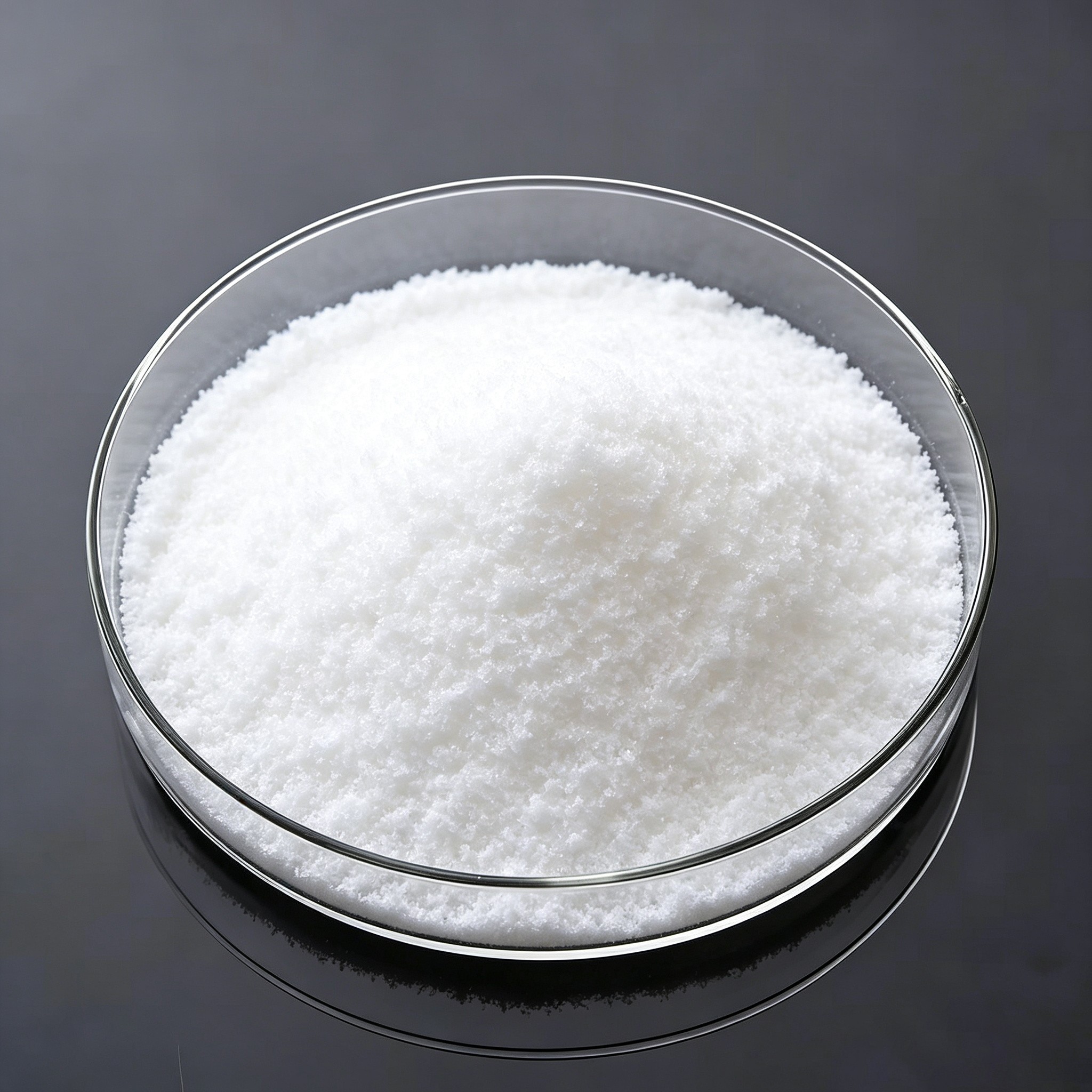
Monoammonium phosphate is one of the most widely used straight phosphate fertilizers in global agriculture, valued for its high concentration of plant-available phosphorus and a useful share of nitrogen in a single, fully water-soluble granule. With an analysis of 11-52-0 or 12-61-0 depending on grade, MAP delivers phosphorus efficiently at planting and supports early root development, seedling vigour and uniform crop establishment. Because it dissolves cleanly, it suits both dry broadcast application and liquid fertigation systems used by modern farms and greenhouse operators.
Nutrient Profile and Crop Value

The agronomic strength of a MAP fertilizer lies in its phosphorus content, which drives energy transfer, flowering and fruit set across cereals, oilseeds, vegetables and legumes. The accompanying ammonium nitrogen is taken up slowly, reducing leaching losses compared with readily soluble urea in wet soils. For crops with high early phosphorus demand, such as maize, wheat, canola and sugar beet, MAP applied in the seed row or as a starter band produces measurable yield gains. Growers increasingly pair MAP with potash and sulphur to build a balanced phosphate fertilizer programme that matches soil test results.
MAP vs Other Phosphate Fertilizers
Buyers often compare MAP with diammonium phosphate and single superphosphate. DAP carries more nitrogen but a higher pH at the granule, which can temporarily limit seedling contact in alkaline soils, while MAP is mildly acidic and safer for close seed placement. As a phosphate fertilizer, MAP is preferred where nitrogen surplus must be minimised or where fertigation demands a clean-dissolving product. Single superphosphate is cheaper but far lower in nutrient density and slower to act, making MAP the better choice for high-value and time-sensitive cropping systems.
Choosing the Right Grade and Analysis
Not every field needs the same analysis. A 12-61-0 monoammonium phosphate grade suits crops and regions that reward maximum phosphorus concentration, while 11-52-0 remains common for broad-acre cereals. Buyers should match the product to soil test phosphorus, cropping rotation and local blending practice. Consistent granule size, low dust and good flowability matter for pneumatic spreaders, so request a sieve analysis and moisture certificate before committing to a bulk contract. Quality phosphorus crop nutrition starts with a grade that fits the agronomy rather than the cheapest quote.
Application Methods for Different Crops

MAP is flexible across delivery routes. In row crops it is applied as a starter band 2 to 5 centimetres beside the seed, supplying nitrogen phosphate exactly where young roots explore first. For transplanted vegetables and fruit, it is placed in the planting hole or incorporated into the bed. Urea and MAP are sometimes co-granulated, but keeping MAP separate preserves its low-salt, seedling-safe profile. Whatever the method, calibrate equipment to the granule bulk density and avoid over-application near the seed to prevent salt injury during germination.
Fertigation and Water-Soluble Use
A key advantage of MAP is its behaviour as a water soluble fertilizer. In drip and pivot irrigation, fully dissolved MAP delivers phosphorus and ammonium directly to the root zone with minimal waste. This precision suits high-value horticulture, berries, tomatoes and protected cultivation where every nutrient unit must count. Operators should monitor solution pH and injector ratios, keep stock tanks agitated and filter the feed to avoid emitter clogging. When managed well, fertigated MAP slashes phosphorus runoff compared with surface broadcasting.
Storage and Handling
Although MAP is relatively stable, it is hygroscopic and should be stored off the ground in a dry, ventilated warehouse away from incompatible materials. Palletised, shrink-wrapped bags protect against caking, while bulk shipments need lined, weatherproof containers. Good phosphorus crop nutrition planning includes rotation of stock so older lots move first, preserving analysis and free-flowing texture. Keep handling areas clean to avoid cross-contamination with herbicides or seed treatments that could damage equipment or crops.
Quality Checks Before Purchase
Before signing a supply contract, verify total P2O5, water-soluble phosphorus, nitrogen, moisture, free acid and heavy-metal limits against the specification sheet. Independent assay from a recognised laboratory protects against under-grade material that silently reduces yield. A reliable MAP fertilizer supplier provides a certificate of analysis with every lot, documents origin and manufacturing route, and stands behind uniformity across the season. Sample the product visually for colour consistency and absence of fines that clog spreaders.
Sourcing from a Reliable Supplier
Richase Group Limited supplies high-analysis monoammonium phosphate with documented assay, controlled impurities and dependable export packaging for agricultural distributors and blenders worldwide. Our team supports buyers with certificates of analysis, blending guidance and logistics to Africa, Latin America, Europe and Southeast Asia. Whether you need containerised bags or bulk break, we help match the grade to your soil programme so that nitrogen phosphate and phosphorus arrive consistent, clean and ready for the season ahead.
Common Buyer Mistakes to Avoid
The most frequent errors are chasing the lowest price without checking soluble phosphorus, ignoring granule size for spreading accuracy and mixing MAP with alkaline materials that reduce efficiency. Treating every field the same also wastes nutrients; a soil-test-driven phosphate fertilizer plan outperforms blanket rates. Finally, poor storage that lets MAP cake or absorb moisture turns a premium input into a handling problem. With the right grade, verified quality and a dependable water soluble fertilizer partner, MAP becomes a low-risk, high-return foundation of profitable crop nutrition.