Magnesium Chloride in Feed: Livestock Buyer Guide
- Share
- publisher
- Richase Marketing
- Issue Time
- Aug 6,2026
Summary
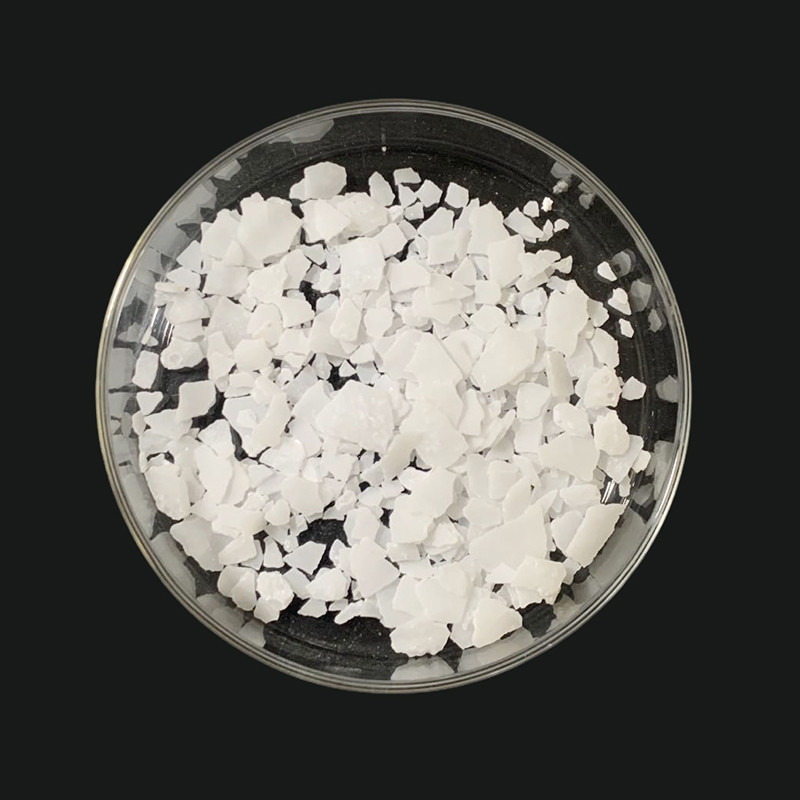
Why feed-grade magnesium chloride hexahydrate flakes support cattle health and prevent grass tetany.

Why Magnesium Chloride Belongs in Livestock Feed
Magnesium is one of the most underrated minerals in animal nutrition, yet it powers enzyme activation, nerve function, muscle contraction and bone formation. Magnesium chloride feed is an economical, highly bioavailable source of this essential mineral, widely used in dairy, beef, swine and poultry rations. Producers who understand its role can prevent costly deficiency problems before they show up in performance and health records.
The Critical Role of Magnesium in Cattle
Dairy and beef cattle have a constant need for magnesium, and deficiency triggers grass tetany, a life-threatening condition marked by muscle spasms and convulsions. The risk rises in early spring when cattle graze lush, fast-growing pasture that is low in magnesium and high in potassium. Supplementing feed grade magnesium chloride through mineral mixes, licks or water helps maintain blood magnesium levels and prevents this costly disorder.
Magnesium Chloride vs Oxide: Bioavailability Matters
Feed mills compare magnesium sources on bioavailability, palatability and cost. Magnesium chloride flakes offer high water solubility and excellent absorption, making them a reliable choice for mineral premixes and water supplementation. Magnesium oxide has higher magnesium content per kilogram but lower solubility and can be less palatable. Nutritionists often blend sources, using chloride where rapid absorption and palatability matter most.
Dairy Cow Minerals and Milk Fever Prevention
Transition cows are the highest-risk group for magnesium-related problems. Around calving, dairy cow minerals programmes must supply adequate magnesium to support calcium metabolism and prevent milk fever. Magnesium chloride is frequently included in close-up dry cow rations and anionic mineral blends because it supports the metabolic shifts happening at calving. Consistent intake during this window protects both cow health and subsequent lactation performance.
Magnesium Supplement Feed for Swine and Poultry
While cattle dominate magnesium research, swine and poultry also benefit from adequate supply. Magnesium supports stress resilience, nervous system function and bone development in growing animals. In high-performing broilers and sows, a magnesium supplement feed helps maintain electrolyte balance and reduces the impact of handling and transport stress. Inclusion rates are modest but the performance response can be meaningful in intensive systems.
Palatability and Inclusion Strategies
Magnesium chloride has a salty taste that is generally well accepted by cattle, which makes it suitable for loose mineral mixes and block licks. In feedlot and dairy rations, formulators typically include 10 to 30 grams of magnesium per head per day depending on the risk period and forage analysis. For water supplementation, solubility is the key advantage, allowing consistent delivery to the whole herd without feed intake variation.
Quality Parameters Buyers Should Verify
When sourcing magnesium chloride feed grade material, verify magnesium chloride content, magnesium percentage, moisture, insolubles and heavy-metal limits against destination-market regulations. A certificate of analysis for every lot, consistent flake size and low caking tendency are essential for smooth mixing. Buyers should confirm the product is produced and packed to feed-grade standards, with clear labelling and traceability.
Storage and Handling Best Practices
Magnesium chloride is hygroscopic, meaning it absorbs moisture from the air. Store it in sealed bags in a dry warehouse, avoid direct floor contact and use stock rotation to prevent caking. In humid climates, consider moisture-barrier packaging for long-term storage. Proper handling preserves flowability and ensures accurate dosing in premix operations, protecting both product quality and mixing consistency.
Richase Supply Support
Richase Group Limited supplies feed-grade magnesium chloride hexahydrate flakes with documented assay, controlled impurities and dependable export packaging. Our team supports feed mills and mineral premixers with certificates of analysis, sampling and specification matching. If you are reviewing your livestock magnesium strategy, we can help you secure consistent supply of feed grade magnesium chloride from a reliable origin.
Buying Checklist
Confirm the magnesium content and physical form, request per-lot certificates of analysis, check heavy-metal compliance for your destination market and agree on moisture-protective packaging. Trial the material in your premix or lick before full commitment and verify flow, palatability and mixing performance. With the right specifications and a dependable supplier, magnesium chloride feed becomes a dependable foundation for herd and flock health.