MAP Fertilizer Buyer Guide
- Share
- publisher
- Richase Marketing
- Issue Time
- Feb 11,2026
Summary
Richase MAP fertilizer gives high-analysis phosphorus and clean N as an efficient starter.

When a crop needs phosphorus and nitrogen in one concentrated, readily available package, MAP fertilizer is the workhorse buyers reach for. Mono Ammonium Phosphate, analyzed at 12-61-0, delivers the highest phosphorus content of any common straight fertilizer and pairs it with a clean ammonium nitrogen. This buyer guide explains what MAP does in the soil, where it fits in a program, and how to specify a grade that performs in your equipment and your climate.
What MAP Fertilizer Delivers
MAP fertilizer (Mono Ammonium Phosphate) supplies 61 percent P2O5 and 12 percent nitrogen in a fully water-soluble granule. The phosphorus is present as orthophosphate, the form roots take up directly, so it works even in cool soils where other phosphorus sources sit idle. That makes MAP the standard starter fertilizer for corn, wheat, canola, and sugarcane across the world.
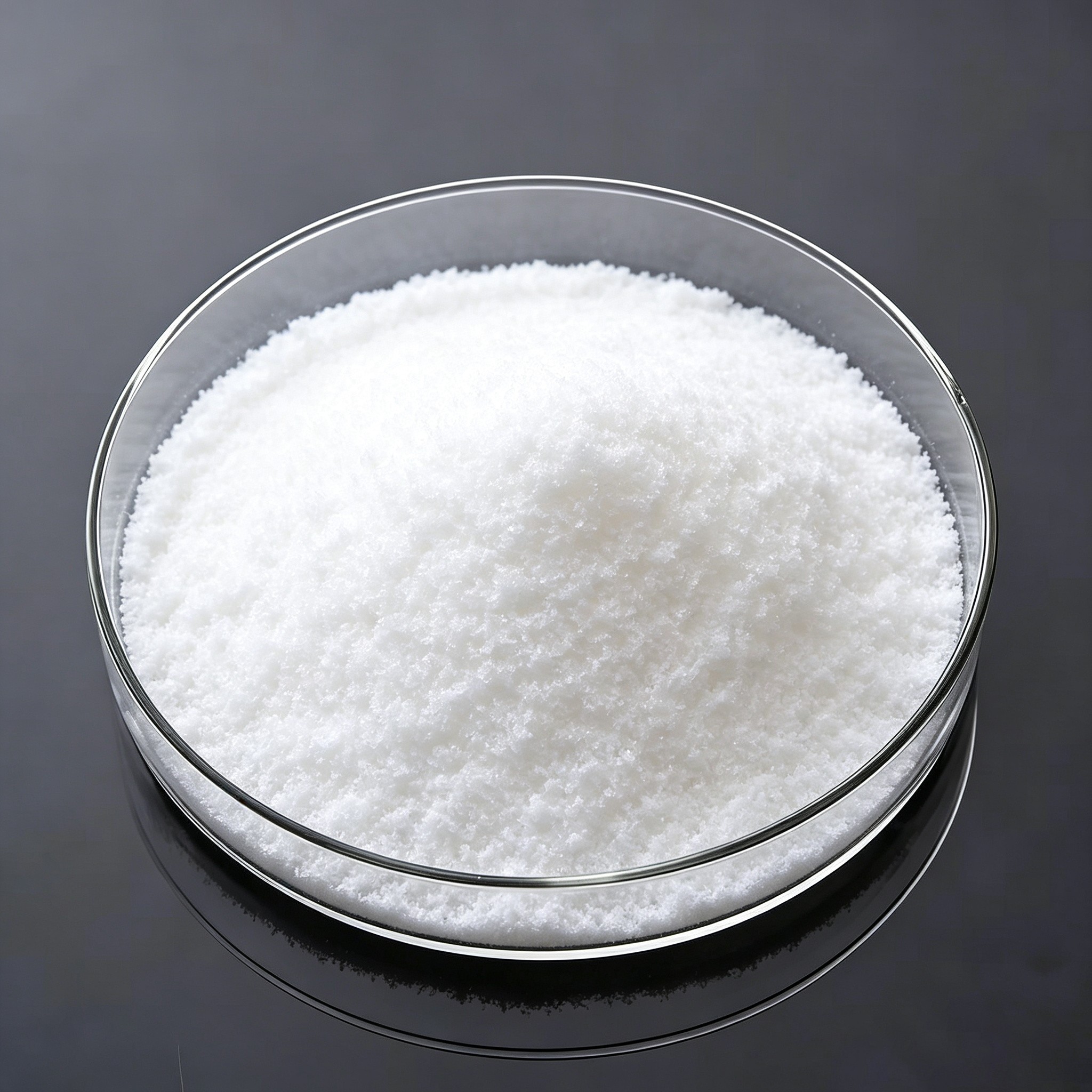
Mono Ammonium Phosphate Chemistry
As a mono ammonium phosphate salt, MAP dissolves to release ammonium and phosphate without leaving chloride or sodium behind. Its low salt index protects seedling roots at the high local concentration of a starter band. Because the nitrogen is ammonium rather than nitrate, there is no immediate leaching loss, and the granule stays stable in the bag through a humid season when properly packed.
Phosphate Fertilizer Role in the Program
In any phosphate fertilizer strategy, phosphorus drives root development, flowering, and grain fill, but it moves little in the soil. Placing a concentrated source like MAP near the seed gives the young plant the phosphorus it cannot yet reach on its own. That placement effect, more than the total amount, is why MAP outperforms broadcast phosphate on emergence and early vigor.
NP Fertilizer Combinations
MAP is the backbone of NP fertilizer blends. Mixed with urea or ammonium nitrate, it builds a balanced starter that supplies both nutrients at planting. Because MAP is acidic in the band, it also improves the availability of zinc and iron already in the soil, an added benefit in calcareous or high-pH fields where those micronutrients otherwise lock up.
Crop Nutrition and Starter Use
Good crop nutrition starts with a strong root system, and MAP is engineered for exactly that. In a 2x2 starter placement, a small MAP dose near the row lifts early growth more than several times the phosphorus broadcast later. The ammonium nitrogen fuels leaf area while the phosphate builds the root, setting up the plant to capture subsequent top-dressed nitrogen efficiently.
Choosing Granule Size and Analysis
Grade follows your equipment. Standard MAP is 1 to 4 mm granular; for dry blends choose a hardness and size distribution that will not segregate in the spreader. Request the BPL or P2O5 analysis, moisture, and free acid content, since excess free acid can cause caking. A consistent, low-dust granule protects both your blend quality and your application accuracy.
Application Methods That Pay
Starter banding at planting is the highest-return use. For crops without row placement, a popup with the seed or a narrow band beside it works. Avoid placing MAP directly with the seed in very dry, acidic, or low-pH soils where salt and ammonia can injure seedlings; widen the buffer or lower the rate. Always calibrate the drill to the target kilograms per hectare.
Sourcing a Consistent Supply
MAP is a globally traded commodity, and origin affects both price and port access. Because it is a high-analysis product, freight per unit of nutrient is low, but documentation and bag integrity still matter. A supplier providing batch certificates, SGS or CIQ verification, and OEM packing protects your blend from off-spec or caked material arriving mid-season.
Storage and Handling
Keep MAP dry below 60 percent relative humidity; while modern grades resist caking, moisture triggers hardening and free-acid migration. Store off the floor, rotate stock, and avoid mixing with alkaline materials such as lime, which can liberate ammonia. Good housekeeping preserves analysis and flow through the whole season.
Common Purchasing Mistakes
The frequent error is buying on price per ton rather than price per unit of P2O5 and N, ignoring free acid and hardness. A cheaper lot with high free acid may cake and fail to blend, raising your real cost through downtime and uneven application. Always compare delivered nutrient cost and insist on a full certificate of analysis.
How Richase Supports Growers
Richase Group Limited supplies MAP fertilizer granular grades to agriculture customers across Africa, Latin America, Europe, and Southeast Asia, backed by ISO, SGS, and CIQ documentation with OEM packing options. Review the technical sheet and request a sample on the product page: Mono Ammonium Phosphate.
Key Takeaways for Buyers
- MAP fertilizer gives the highest phosphorus analysis of common straight fertilizers.
- Mono ammonium phosphate works as a low-salt, root-safe starter fertilizer.
- Place it near the seed to maximize early phosphorus uptake.
- Specify P2O5, free acid, moisture, and granule hardness, not just price.
- Choose a documented supplier to protect blend quality and lead time.
Conclusion
Richase Group Limited understands that dependable crop nutrition begins with dependable inputs, and our MAP fertilizer is produced under a strict quality system that protects analysis, solubility, and safety in every batch, helping growers build stronger stands and protect yield.