L-Lysine Feed Additive: Buyer Guide
- Share
- publisher
- Richase Marketing
- Issue Time
- Jan 21,2026
Summary
Richase L-Lysine feed grade boosts livestock nutrition and cuts feed cost via balanced amino acids.
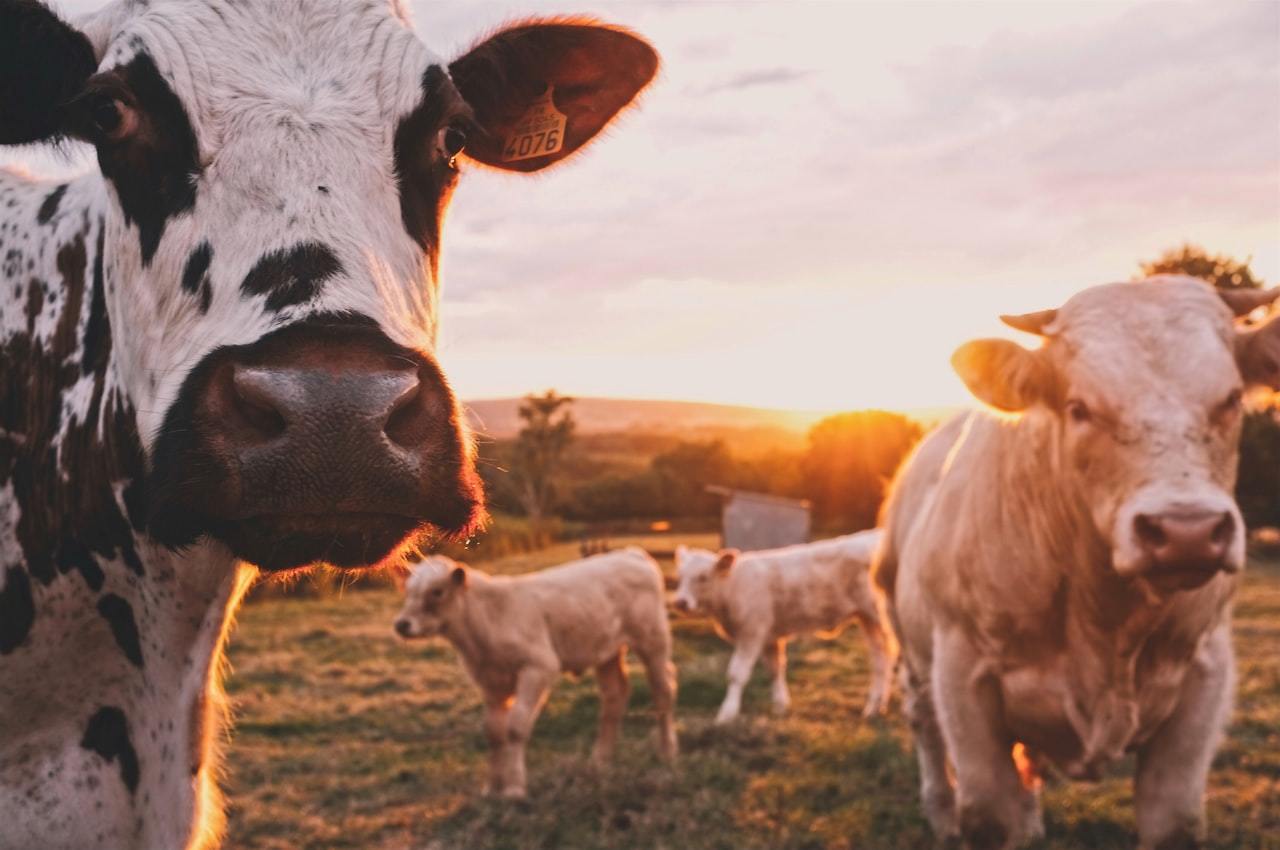
For feed mills and integrators, L-Lysine is the single most important amino acid to balance in monogastric diets. As the first limiting amino acid in corn-soy rations, lysine decides how efficiently animals convert feed into meat, milk, and eggs. This buyer guide covers what lysine feed additive does, how to specify a grade that performs, and how to avoid the purchasing mistakes that quietly raise your feed cost per kilogram of gain.
Why L-Lysine Matters in Animal Feed
In animal feed, protein is only as useful as its limiting amino acid. Corn is rich in energy but low in lysine, so without supplementation, excess protein is burned for energy and excreted as nitrogen. Adding L-Lysine lets formulators cut total crude protein by two to three points while holding performance, trimming both feed cost and manure nitrogen at the same time.
Understanding Lysine Feed Additive Grades
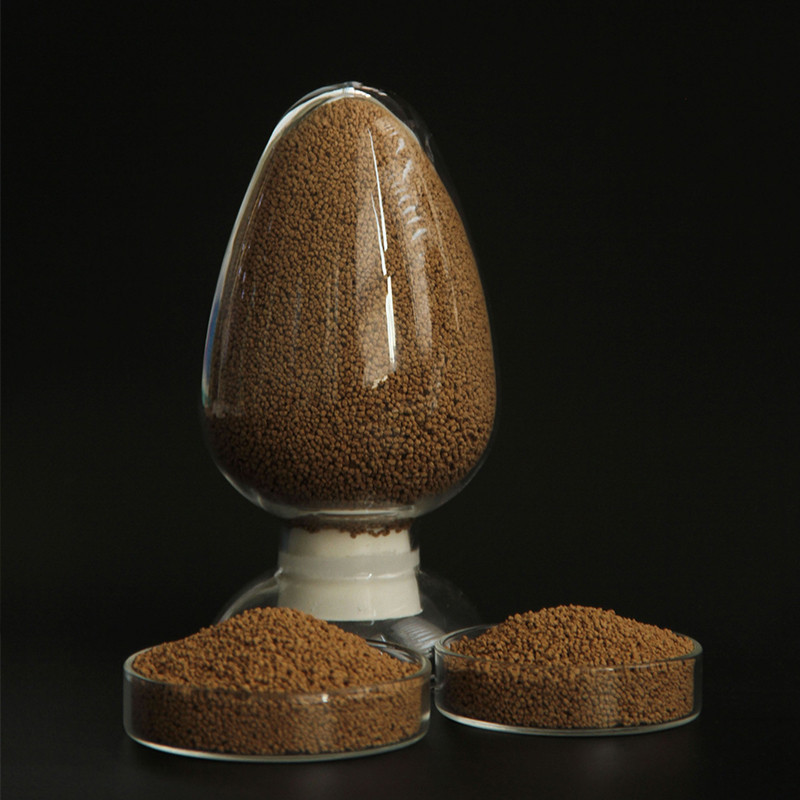
The commercial lysine feed additive is usually L-Lysine monohydrochloride at 98.5 percent pure, a free-flowing white granule or powder. Standard feed grade material must meet strict limits on heavy metals, moisture, and residue on ignition. When you request a quote, ask for the exact lysine activity, loss on drying, and microbial specification so the analysis matches the certificate you will show your own customers.
Feed Grade Quality and Purity
True feed grade lysine flows cleanly through micro-dosing systems and resists caking in humid mills. Poor grades clump, bridge in bins, and deliver uneven inclusion, which shows up as variable flock or herd performance. Insist on a low-dust, good-flow product and verify it with a simple sieve and solubility check on arrival at your plant.
Amino Acid Feed Balancing Basics
An amino acid feed program starts from the animal's requirement for digestible lysine, then builds the rest of the diet around it using synthetic methionine, threonine, and tryptophan as needed. The goal is an ideal protein profile: every amino acid present in the right ratio, with none wasted. Lysine is the anchor because it is almost always the first to limit in corn-based diets.
Livestock Nutrition and Performance
Good livestock nutrition built on balanced lysine improves feed conversion ratio, daily gain, and carcass uniformity. In swine, it supports lean tissue growth; in poultry, it raises breast yield and egg mass; in aquaculture, it improves protein retention. The economic lever is simple: better lysine balance means less feed per unit of output, which compounds across a full production cycle.
Formulating With Lysine in Swine and Poultry
In nursery and grower pig diets, lysine drives muscle deposition and intake. In broilers, phase feeding with declining lysine density across the cycle matches the bird's changing need and avoids expensive over-supplementation at finish. Layer diets use lysine to sustain egg mass without excess protein that would stress the liver and raise nitrogen excretion.
Dosage and Inclusion Rates
Typical inclusion of 98.5 percent L-Lysine monohydrochloride runs from 0.1 to 0.4 percent of the complete feed, scaled to the energy and protein level. Liquid and premix routes both work; the key is uniform distribution. Always calibrate micro-dosers and sample finished feed to confirm the lab analysis matches the formulation.
Sourcing and Supplier Consistency
Lysine is a globally traded commodity with price swings tied to raw-material and energy costs. Beyond price, the variables that protect your operation are consistent assay, reliable bag or bulk delivery, and documentation. A supplier that provides batch certificates, food-feed grade declarations, and stable lead times reduces your formulation risk far more than a marginal discount.
Storage and Handling
Store lysine in a dry area below 65 percent relative humidity; though modern grades resist caking, prolonged damp exposure still degrades flow. Rotate stock, keep bags off the floor, and segregate from strong-smelling or acidic materials. Good housekeeping preserves both product quality and your dosing accuracy.
Common Buying Mistakes
The most expensive mistake is chasing the lowest price per ton while ignoring assay and flow. A cheaper, lower-activity, or poorly flowing lot can force reformulation, cause feed variability, and erase savings many times over. The second is ignoring documentation: without a proper certificate, you cannot defend your own feed claims to auditors or customers.
How Richase Supports Feed Producers
Richase Group Limited supplies L-Lysine feed-grade material to mills and integrators across Africa, Latin America, Europe, and Southeast Asia, backed by ISO, SGS, and CIQ documentation with flexible OEM packing. You can review the specification and request a sample on the product page: L-Lysine Feed Grade.
Key Takeaways for Procurement
- L-Lysine is the first limiting amino acid in corn-based animal diets.
- A lysine feed additive lets you cut crude protein while holding performance.
- Specify feed grade by assay, moisture, flow, and heavy-metal limits.
- Balance the full amino acid feed profile, not lysine alone.
- Choose a documented, consistent supplier to protect feed uniformity.
Conclusion
Richase Group Limited understands that reliable livestock nutrition starts with dependable raw materials, and our L-Lysine products are supplied under a strict quality system that protects assay, flow, and safety in every batch, helping feed producers improve conversion and protect margin.