Feed Grade Magnesium Oxide: Livestock Buyer Guide
- Share
- publisher
- Richase Marketing
- Issue Time
- Jul 8,2026
Summary
Why feed-grade magnesium oxide matters for livestock health, milk yield and feed efficiency.
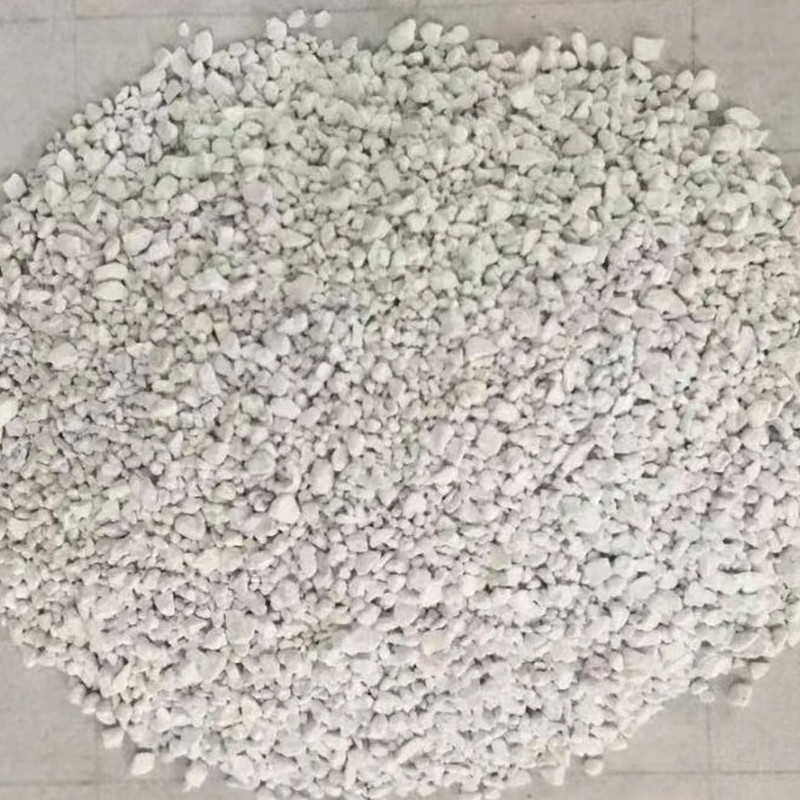
Why Livestock Need Magnesium Every Day
Magnesium is one of the forgotten minerals in animal nutrition, right up until something goes wrong. Ruminants, pigs and poultry all need a steady supply for enzyme function, bone development and nerve stability. When intake drops — common on lush spring pasture or high-grain rations — animals can show tetany, reduced appetite and lower productivity. That is why Magnesium Oxide has become a staple feed additive for serious livestock operations.
What Feed-Grade Magnesium Oxide Delivers
Feed grade magnesium oxide is valued for its high elemental magnesium content (typically 55%–60% Mg) and excellent bioavailability. Compared with dolomite or magnesite flour, a small dose of MgO meets the animal’s requirement without overloading the ration with filler. For animal feed magnesium programs, that means better cost per unit of nutrient and cleaner formulation.
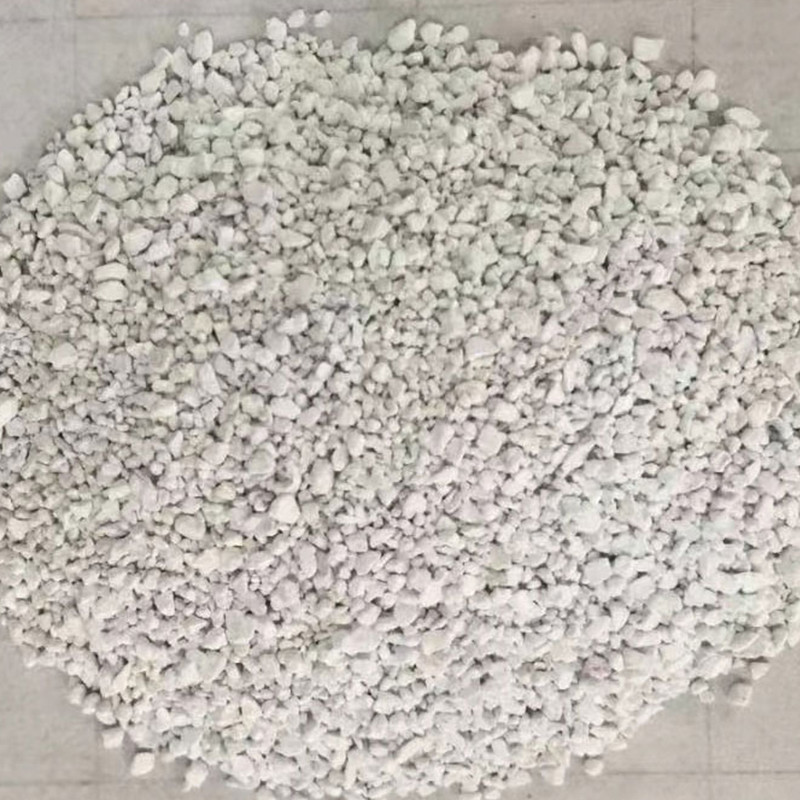
MgO vs Other Magnesium Sources
Producers sometimes ask why not just use magnesium sulphate or limestone. Magnesium sulphate is more expensive per unit of Mg and adds sulphate load; limestone is mostly calcium. Magnesium oxide feed additive gives the highest magnesium density and a long shelf life, which is why it dominates commercial premixes and mineral blocks.
Target Animals: Dairy, Beef, Poultry, Swine
MgO for dairy cows is the classic use: supplemental Mg in early lactation supports milk synthesis and helps prevent grass tetany. Beef cattle on grain finishing benefit from steady Mg for rumen function. Layers and broilers use Mg for egg shell quality and bone strength, while swine rations include it for metabolism. One grade, many species.
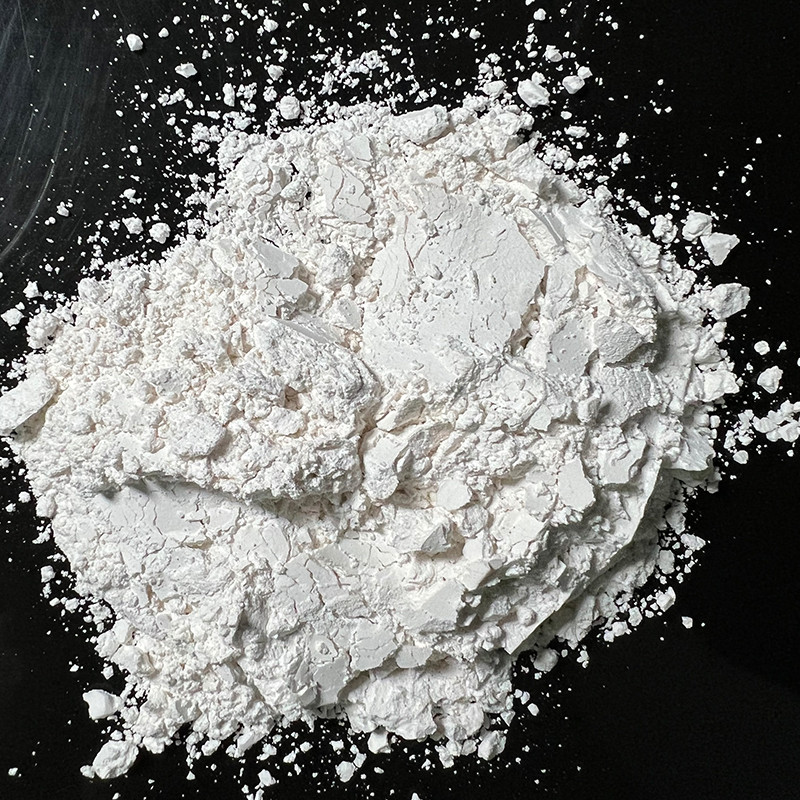
Dosage and Mixing Best Practices
Typical inclusion runs from 0.2% to 0.5% of the total ration depending on species, physiology and forage magnesium. The practical tip buyers learn quickly: blend MgO evenly and keep it dry. Because it is alkaline, pre-mixing with a carrier avoids localized over-concentration that animals refuse to eat.
Quality Specs Buyers Should Demand
Specify MgO content, heavy-metal limits (lead, arsenic, cadmium), fluoride and particle size. Food/feed-grade documentation matters for export. Reputable suppliers provide a certificate of analysis with every batch so your quality team can trace exactly what entered the feed.
Sourcing From China’s Magnesium Hub
China’s magnesite belt supplies the bulk of the world’s magnesium oxide, which is why many international feed mills source magnesium for livestock from this region. The advantage is consistent raw material and competitive landed cost — provided you partner with a supplier that runs real quality control rather than trading anonymously.
Why Choose Richase
Richase Group Limited supplies Magnesium Oxide backed by strict quality control and export documentation. Our animal-nutrition grade is matched to your specification and shipped with full traceability. Explore our animal feed range here: Animal Feed Additives.
Key Takeaways
- Mg is essential for ruminants, poultry and swine — don’t under-dose.
- Feed-grade MgO is the densest, most economical Mg source.
- Demand Mg content, heavy-metal limits and a batch COA.
- Source from a controlled, traceable supply chain.
Conclusion
Richase Group Limited has a profound understanding of the different needs of different customers, and our Magnesium Oxide products, including some high-quality feed grade magnesium oxide, are derived from a strict quality control system, ensuring that the purity, solubility, and safety of each batch of products meet high standards, helping customers maximize production potential and economic benefits.