Dicalcium Phosphate Feed Grade in Animal Feed BY:Cynthia
- Share
- publisher
- 、Saskia
- Issue Time
- Jun 17,2026
Summary
Discover how Dicalcium Phosphate Feed Grade supports calcium and phosphorus nutrition in poultry, livestock and aquafeed
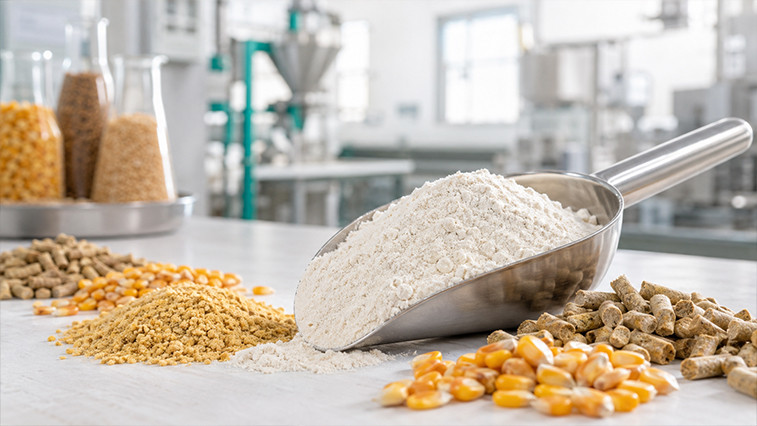
Richase-Dicalcium Phosphate Feed Grade in Animal Feed
In modern feed formulation, calcium and phosphorus should not be evaluated only by their total percentages. Their digestibility, balance within the complete diet and contribution from every ingredient are equally important.
Dicalcium Phosphate Feed Grade, commonly known as DCP Feed Grade, is a mineral feed material used to supply phosphorus and calcium in poultry, swine, ruminant and selected aquaculture diets.
Its value lies in precise and consistent mineral supplementation—not in adding as much mineral as possible.
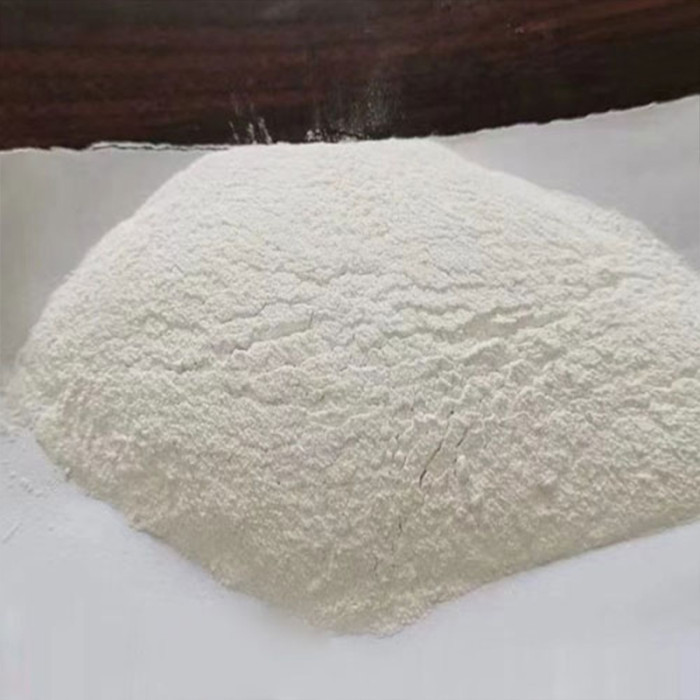
Why Is Dicalcium Phosphate Used in Animal Feed?
1. To supply calcium and phosphorus for skeletal development
Calcium and phosphorus are fundamental to bone mineralization.
Fast-growing broilers, piglets and calves are particularly sensitive to the supply and balance of usable calcium and phosphorus.
DCP helps fill the mineral gap left by grains, soybean meal and other basal ingredients, supporting the normal development of bones and teeth when the complete diet is correctly formulated.
2. To support egg production and normal metabolism
Phosphorus is involved in ATP energy transfer, phospholipid structure and numerous metabolic reactions.
Calcium contributes to muscle contraction, nerve transmission and eggshell formation.
In layer diets, DCP can provide phosphorus and part of the required calcium. However, it normally does not replace limestone, shell grit or other concentrated calcium sources because laying hens require considerably more calcium than phosphorus.
3. To improve mineral formulation consistency
The mineral content of agricultural raw materials may vary according to origin, variety and processing method.
Compared with relying entirely on this variable mineral content, a well-controlled animal feed phosphate allows more accurate formulation, batch control and cost calculation.
The meaningful purchasing comparison is not simply the price per metric ton. Buyers should also consider:
Cost per unit of usable phosphorus;
Amount of calcium supplied with the phosphorus;
Phosphorus solubility and animal availability;
Effect of the product on the complete feed formula.
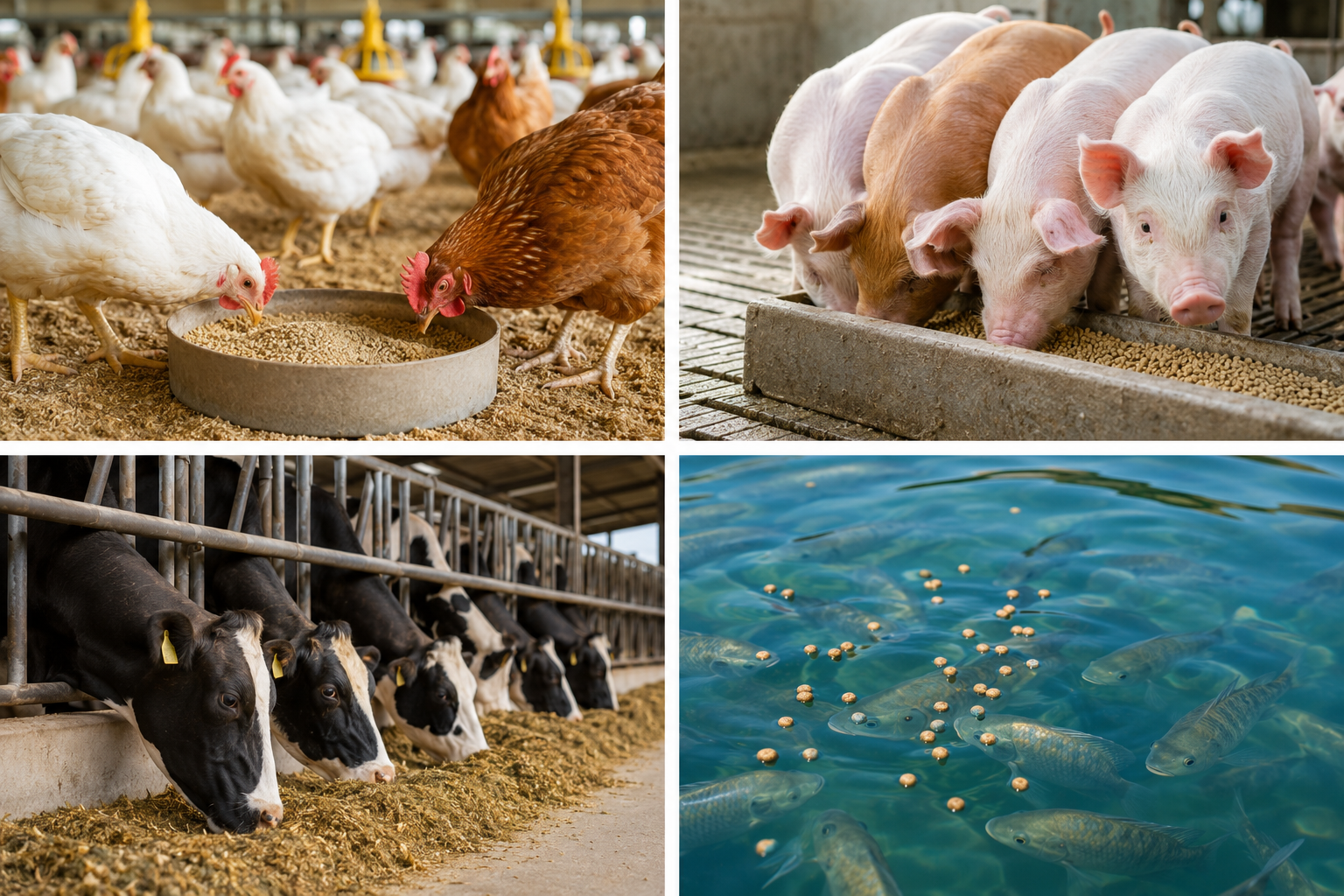
Main Applications of DCP in Animal Feed
DCP for poultry feed
Dicalcium Phosphate Feed Grade is widely used in broiler, layer, breeder and duck diets.
Broiler formulations require an appropriate balance of digestible calcium and phosphorus to support growth and skeletal mineralization.
Layer diets must provide adequate available phosphorus while meeting their much higher calcium requirement through limestone, shell grit or other suitable calcium sources.
When phytase is used, its validated phosphorus and calcium matrix values should be included in the formulation to avoid double supplementation.
DCP for swine feed
A significant share of the phosphorus in corn, soybean meal and other plant ingredients is bound as phytate phosphorus, which pigs use inefficiently without sufficient phytase activity.
Feed Grade DCP can provide supplemental phosphorus and calcium in nursery, grower-finisher and sow diets.
Modern swine formulation is better based on standardized total tract digestible phosphorus, known as STTD P, and digestible calcium rather than on a fixed DCP inclusion rate calculated from total phosphorus alone.
When phytase is included, the amount of phosphorus released from plant ingredients should also be considered.
DCP for cattle and other ruminants
In dairy cattle, beef cattle, sheep and goat diets, DCP may be included in concentrates, mineral premixes or supplements with a controlled target intake.
Before using DCP, formulators should assess the calcium and phosphorus already supplied by forage, silage, grain by-products and other mineral ingredients.
Free-choice mineral consumption should not be assumed to correct a known deficiency automatically. A designed mineral program based on ration analysis, animal weight and production stage is more reliable.
DCP in aquafeed
DCP can be used in selected fish and shrimp feeds, although phosphorus utilization varies among species, digestive systems and processing conditions.
Aquafeed formulators should consider:
Phosphorus bioavailability;
Product particle size;
Pelleting performance;
Water stability of the finished feed;
Digestive characteristics of the target species;
Phosphorus discharge into the culture environment.
Excess phosphorus supplementation increases feed costs and may also increase the nutrient load released into aquaculture water.
DCP vs. MCP vs. MDCP: Which Feed Phosphate Should You Choose?
Dicalcium phosphate, monocalcium phosphate and monodicalcium phosphate can all supply phosphorus in animal feed. However, they differ in calcium-to-phosphorus ratio, phosphorus concentration, solubility, digestibility, processing behavior and price.
DCP generally contributes more calcium and is a stable and economical option when both calcium and phosphorus are required.
MCP generally provides a higher phosphorus concentration and a lower calcium-to-phosphorus ratio. It can be useful when more usable phosphorus is required without adding excessive calcium.
MDCP normally falls between DCP and MCP, but its actual nutritional value should be evaluated using the product specification and digestibility data rather than the product name alone.
The most practical comparison is the total cost per unit of digestible phosphorus, adjusted for the value of accompanying calcium, formula space, phytase use and regulatory requirements.
[Platform release disclaimer]
This platform part of the article picture source or adapted from the Internet, the main purpose is to share information, so that more people get the information they need, the copyright belongs to the original author, such as infringement of your rights and interests or copyrights, please let us know in time, we will be deleted within 24 hours!