Dead Burned Magnesia: Refractory Buyer Guide
- Share
- publisher
- Richase Marketing
- Issue Time
- Jul 15,2026
Summary
How dead burned magnesia and fused magnesia protect steel, cement and glass furnaces from extreme heat.
What Is Dead Burned Magnesia
Dead Burned Magnesia (DBM) is magnesium oxide fired at very high temperature — typically above 1500°C — so it becomes chemically inert and dimensionally stable. That heat treatment removes volatile components and locks the crystal structure, which is exactly what a refractory lining needs when it faces molten metal or corrosive slag. For buyers specifying furnace linings, DBM is the workhorse behind every ton of steel, cement and glass produced.
Why DBM Dominates Refractory Linings
A DBM refractory lining resists alkaline slags, retains strength at extreme temperature and shows very low creep. Its high melting point (around 2800°C) and low thermal conductivity make it ideal for the harsh zones of electric-arc furnaces, converters and cement rotary kilns. In short, magnesium oxide refractory is chosen where nothing else survives.
DBM vs Fused Magnesia
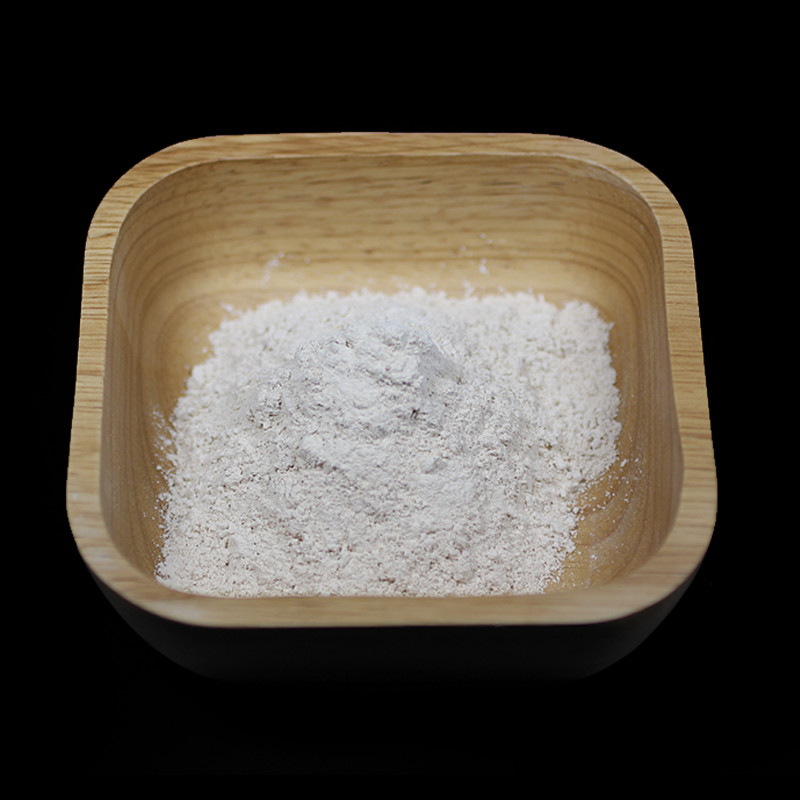
Fused magnesia is made by electrically melting MgO, giving a denser, purer crystal with excellent corrosion resistance for the most aggressive zones. DBM is the cost-effective volume choice for general lining, while fused grades protect hotspots. Specifiers often combine both: fused magnesia at the wear face, DBM behind it.
Where It Is Used: Steel, Cement, Glass
In steel, DBM forms the working lining of EAFs and ladles. In cement, it lines the burning zone of rotary kilns. In glass, it withstands molten batch and alkali attack. The common thread is a high temperature refractory that stays stable when everything around it is melting. Even magnesia bricks in non-ferrous furnaces rely on the same chemistry.
Key Quality Parameters
Buyers should watch MgO content (higher is better for severe service), CaO/SiO&sub2; ratio (the “C/S ratio” drives slag resistance), bulk density and porosity. A consistent C/S ratio above 2.0 is a common spec for steel-grade DBM. Always request the full analysis with the shipment.
Sourcing and Supply Stability
Because DBM starts from natural magnesite, supply security depends on the deposit. Sourcing from China’s magnesite-rich region gives buyers scale and continuity — important when furnace campaigns are planned months ahead and a late shipment can idle a production line.
Why Choose Richase
Richase Group Limited supplies Dead Burned Magnesia and related magnesium oxide refractory grades with controlled chemistry and documented quality. Review our magnesium product range: Magnesium Products.
Key Takeaways
- DBM is the standard refractory for steel, cement and glass.
- Match grade to zone: DBM for volume, fused for hotspots.
- Specify MgO content and C/S ratio, not just price.
- Secure supply from a stable magnesite source.
Conclusion
Richase Group Limited has a profound understanding of the different needs of different customers, and our Dead Burned Magnesia products, including some high-quality magnesium oxide refractory, are derived from a strict quality control system, ensuring that the purity, solubility, and safety of each batch of products meet high standards, helping customers maximize production potential and economic benefits.