Amino Acid Feed Additives: Livestock Buyer Guide
- Share
- publisher
- Richase Marketing
- Issue Time
- Jul 23,2026
Summary
How amino acid feed additives improve protein efficiency and lower feed cost in poultry and swine.
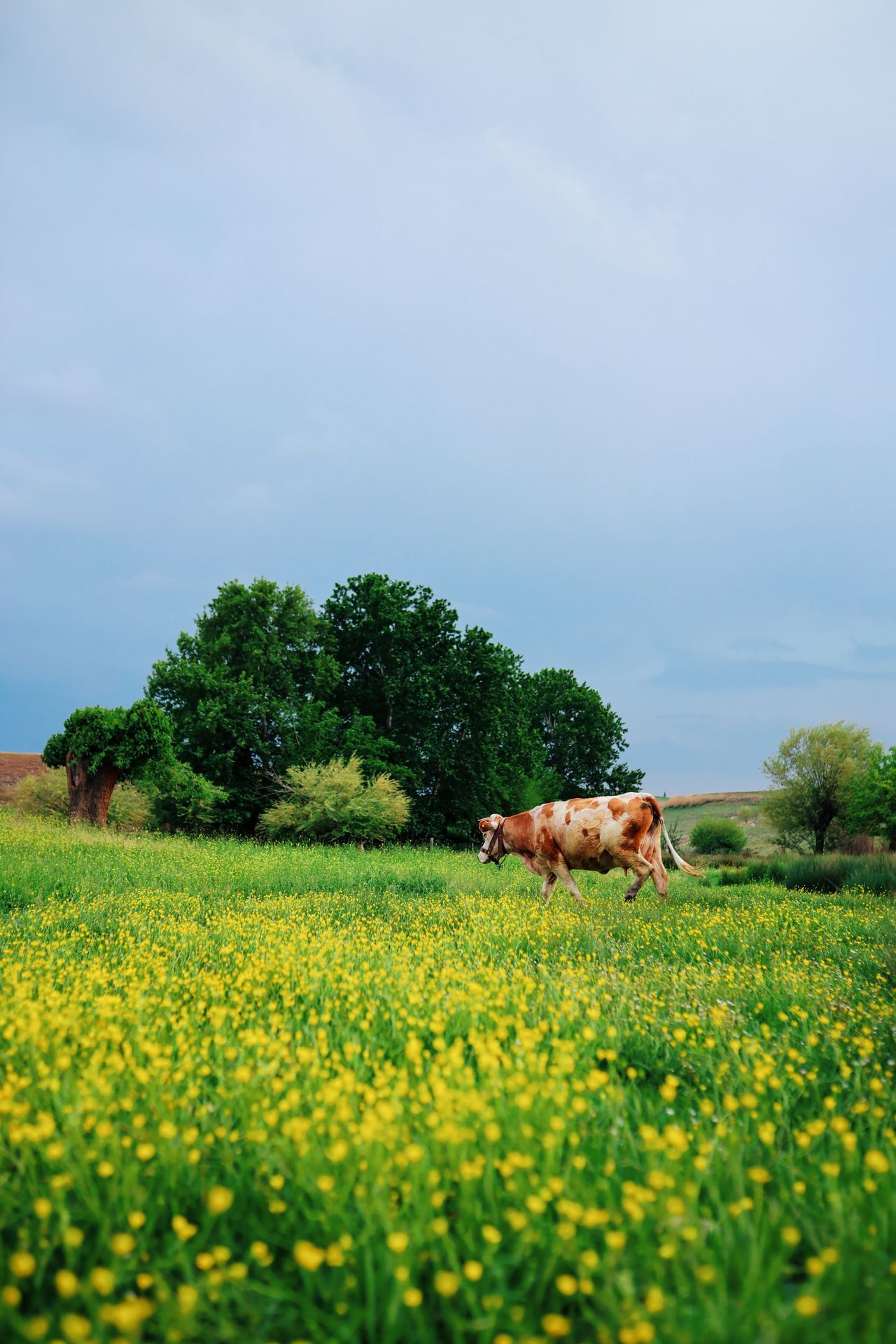
Why Amino Acids Are the Foundation of Modern Feed
Protein is the most expensive component of livestock feed, and amino acid feed additives let nutritionists meet amino acid requirements while cutting crude protein and cost. By supplementing limiting amino acids such as lysine, methionine and threonine, feed formulators reduce reliance on expensive protein meals, lower nitrogen excretion and improve growth performance. That combination of economics and sustainability is driving steady adoption across poultry, swine and aquaculture sectors.
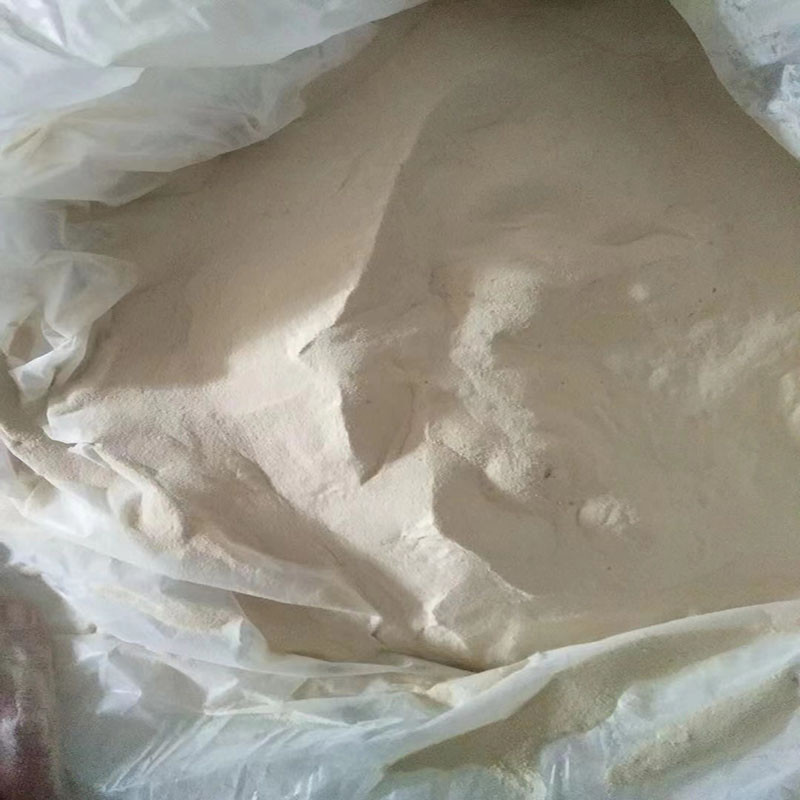
Understanding the Amino Acid Concept
Animals do not need protein as such; they need a balanced supply of amino acids to build muscle, enzymes and other body proteins. When one amino acid is deficient, it limits how well all the others are used, which is known as the limiting amino acid effect. Feed grade amino acids correct these shortfalls precisely, allowing diets to be formulated on an amino acid basis rather than a crude protein basis for better efficiency and lower cost.
Lysine: The First Limiting Amino Acid
Lysine is typically the first limiting amino acid in corn-soybean diets for swine and poultry. Supplementing amino acid feed additives that contain lysine allows formulators to reduce soybean meal inclusion without sacrificing performance. This is especially valuable when protein meal prices spike, since each tonne of lysine can replace several tonnes of soybean meal in a balanced diet.
Methionine and Cysteine in Poultry
Methionine is the first limiting amino acid in many poultry diets and also supplies sulphur for feather and eggshell formation. Poultry feed amino acids programmes routinely include methionine sources to optimise feathering, carcass yield and egg production. Methionine also acts as a methyl donor, supporting liver function and overall metabolism, which is why it is a staple in broiler and layer rations.
Threonine and the Branched-Chain Amino Acids
Threonine supports gut integrity and mucus production, which matters for intestinal health and nutrient absorption. Valine, isoleucine and leucine, the branched-chain amino acids, are increasingly supplemented as formulators push toward ultra-low-protein diets. These additions maintain growth while reducing nitrogen output, a priority in regions with strict environmental limits on manure nitrogen.
Reducing Feed Cost per Unit of Gain
The economics are compelling. Amino acid supplementation lowers feed cost per unit of gain by allowing cheaper protein sources to be used without losing performance. Nutritionists report that a well-formulated amino acid programme can cut feed costs by several percent while maintaining or improving growth rates. For integrated producers operating at scale, those savings translate directly to the bottom line.
Environmental and Welfare Benefits
Lower crude protein diets reduce nitrogen and ammonia emissions from manure, which improves barn air quality and reduces environmental compliance costs. This supports both animal welfare and regulatory objectives. In aquaculture, amino acid supplementation improves feed conversion and reduces water pollution, making it a cornerstone of sustainable fish and shrimp farming programmes.
Quality Parameters for Amino Acid Buying
When sourcing amino acid feed products, verify the active amino acid content, moisture, bulk density and heavy-metal compliance against regional feed regulations. Certificates of analysis per lot, consistent particle size for uniform mixing and good flowability are essential. Buyers should also check the product's stability under storage and its compatibility with premix and pelleting processes.
Richase Supply Support
Richase Group Limited supplies feed grade amino acids with documented assay, controlled impurities and dependable export packaging. Our team supports nutritionists and feed mills with specification matching, certificates of analysis and sampling. If you are optimising your protein strategy, we can help you secure reliable amino acid supply and integrate it into your formulations.
Buying Checklist
Confirm the active ingredient content and form, request per-lot certificates of analysis, verify compliance with destination-market feed regulations and agree on packaging that preserves product quality. Trial the material in your feed mill before full commitment, and check mixing and flow behaviour. With the right specifications and a dependable supplier, amino acid supplements feed programmes become a powerful tool for cost-efficient, high-performance livestock nutrition.